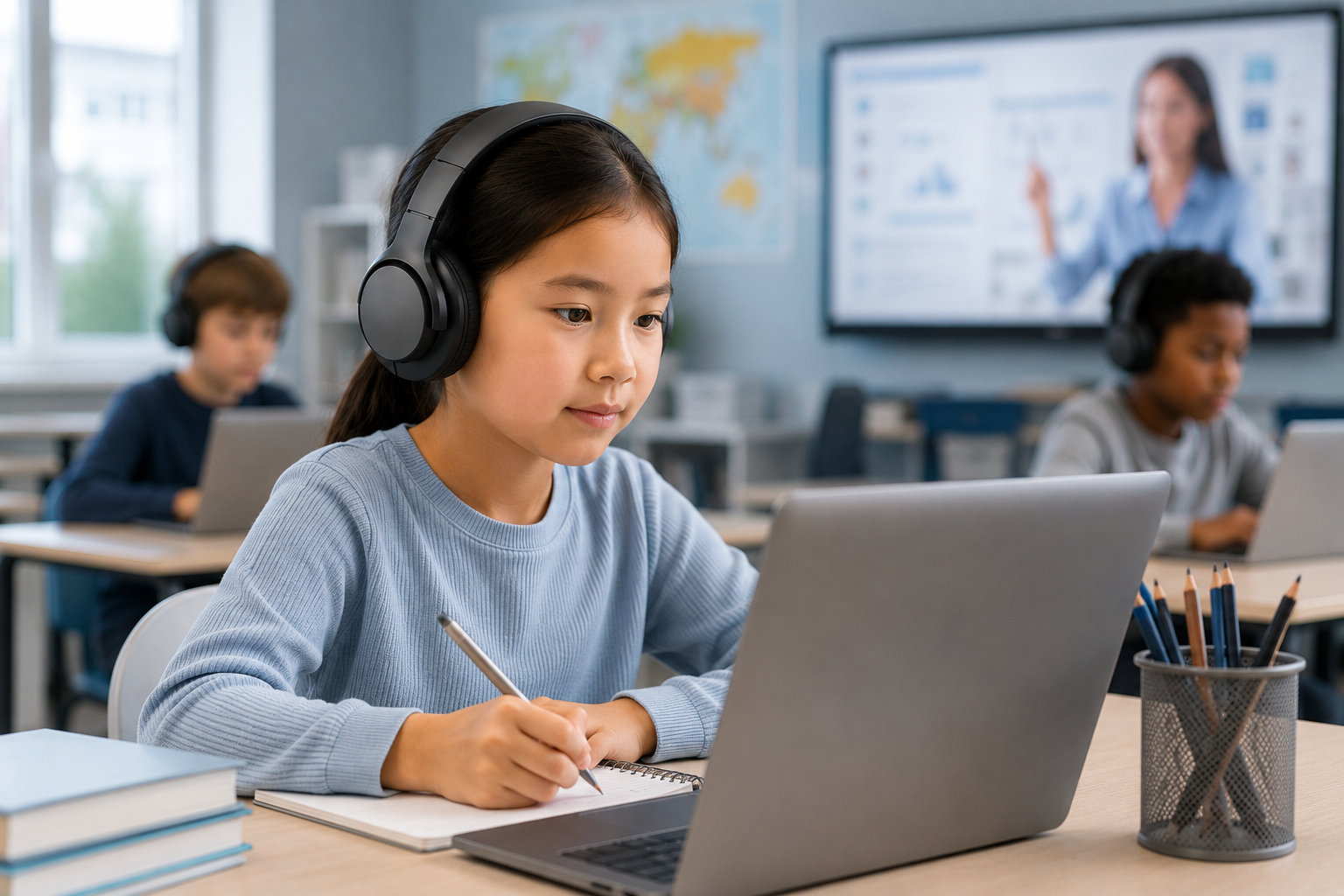
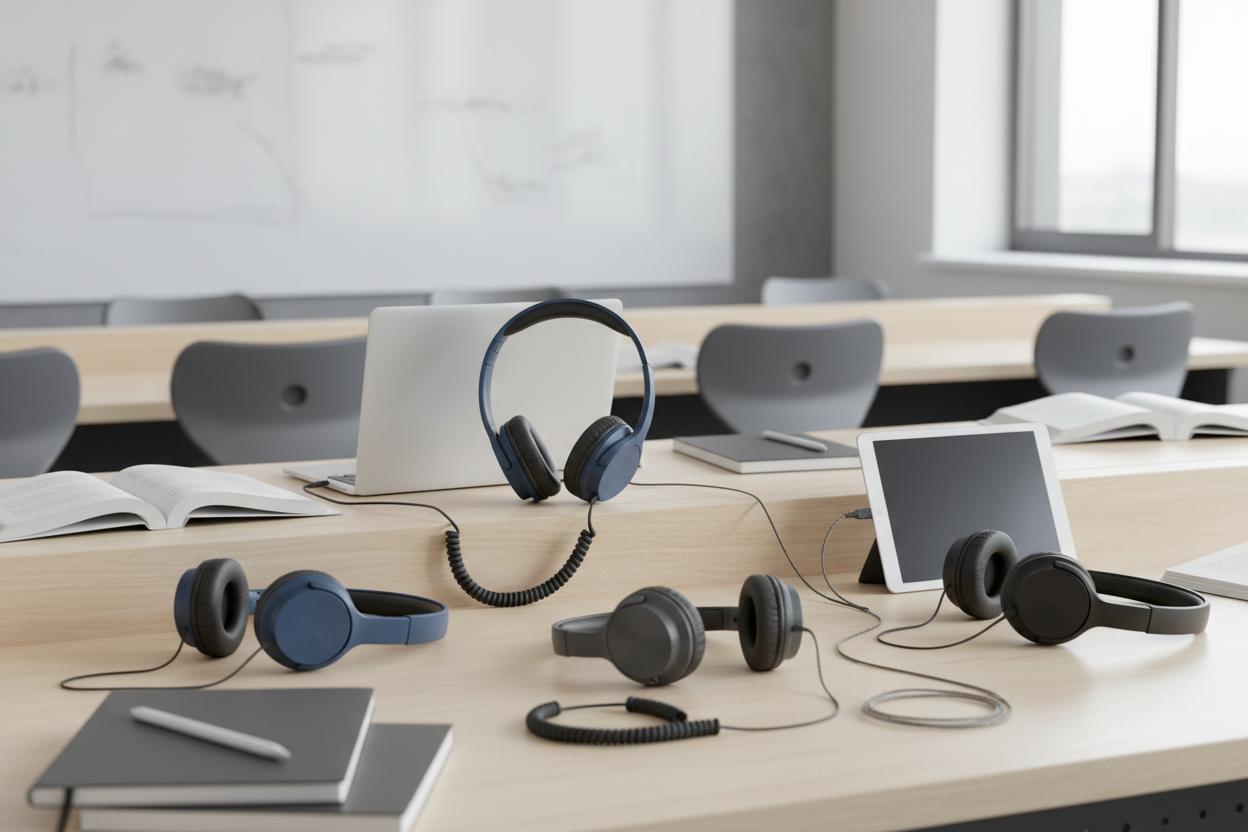
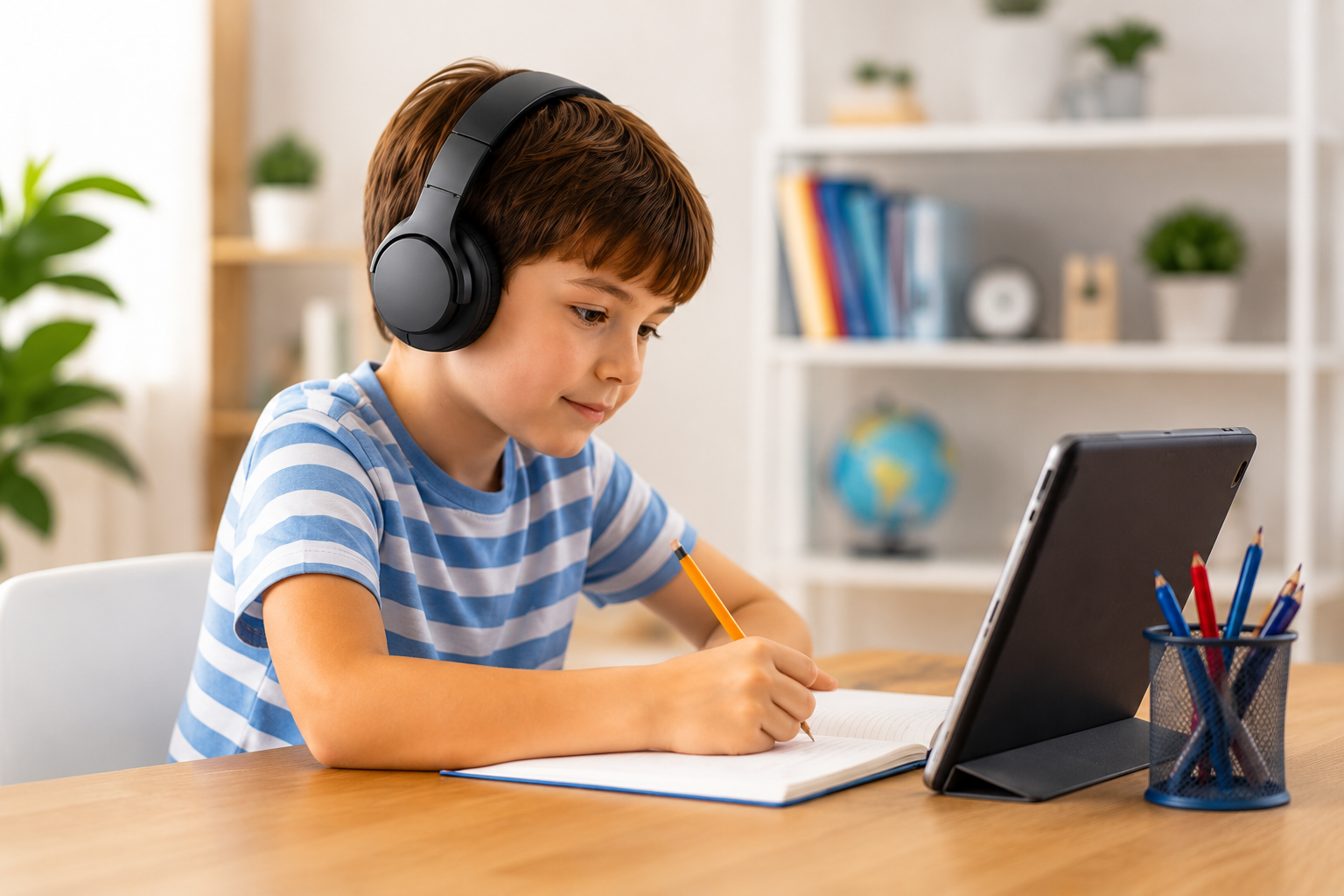
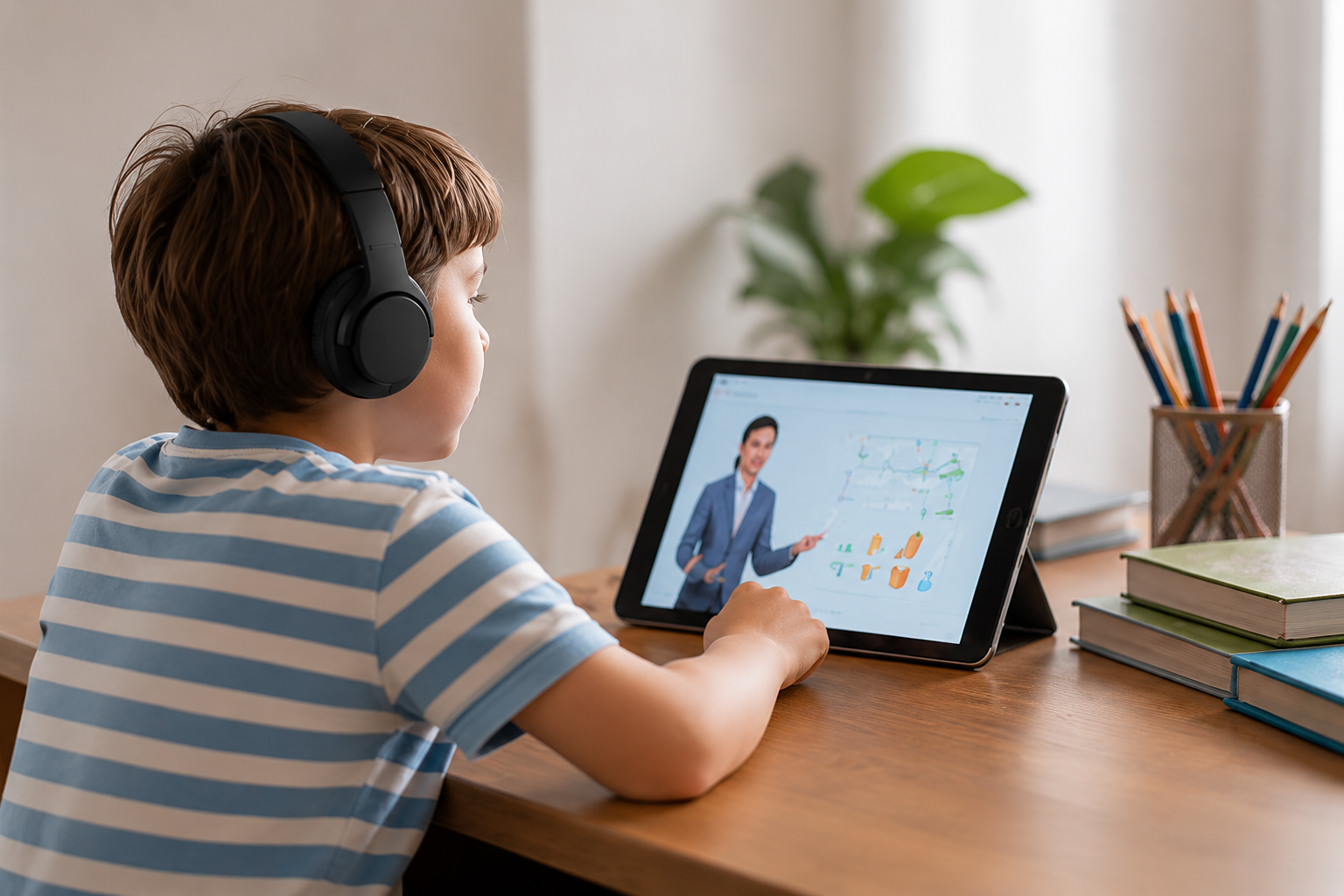
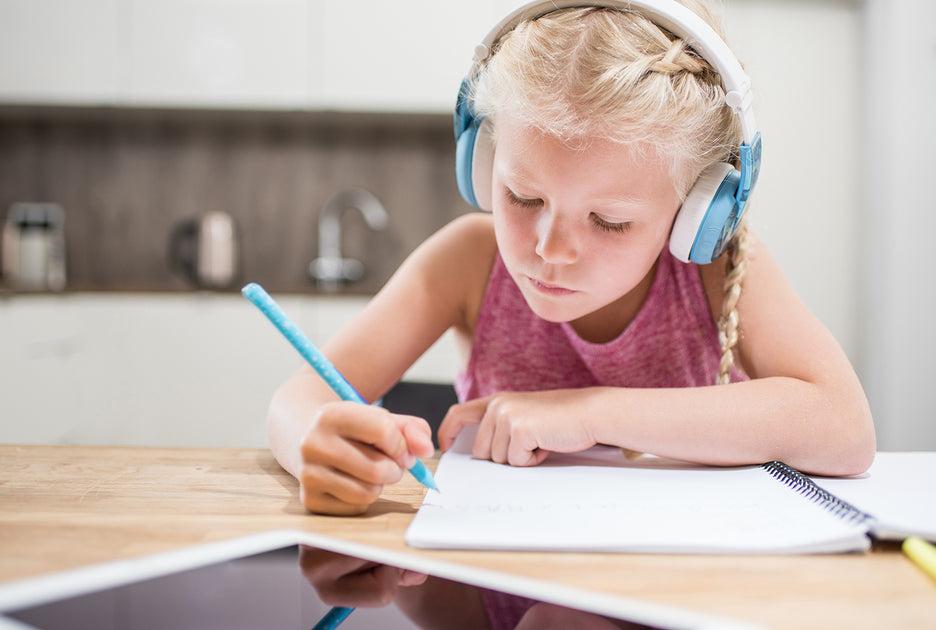
Whether in classrooms, computer labs, libraries, or home-study environments, students are spending more hours learning through audio-based content than ever before. Yet many schools and parents overlook a simple reality: poor audio quality and uncomfortable headphones can quietly reduce concentration, increase fatigue, and negatively affect learning outcomes.
Teachers often notice students repeatedly adjusting headphones, asking for instructions to be repeated, or losing focus during lessons. In many cases, the problem is not the lesson itself. It is the listening experience.
According to the World Health Organization (WHO), excessive noise and prolonged exposure to poor listening conditions can affect concentration and learning performance. Similarly, the American Academy of Pediatrics (AAP) highlights the importance of age-appropriate technology and safe listening practices for children.
At Skyringe, we develop education use headphones specifically for learning environments, focusing on speech clarity, ergonomic comfort, durability, and long-term daily use.
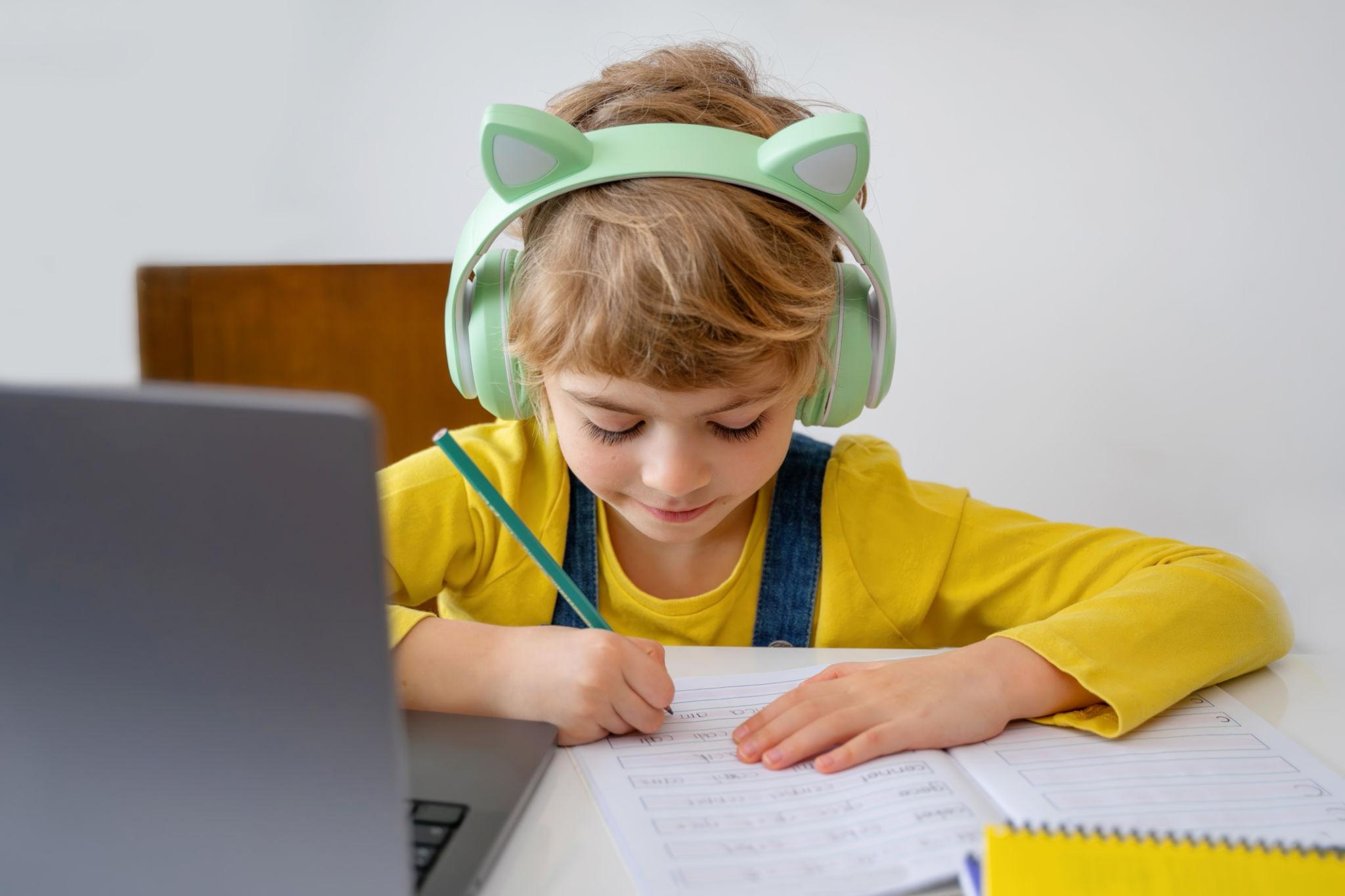
Why Educational Audio Requires Different Design Priorities
Unlike entertainment headphones, educational products are primarily used for listening to voices, instructions, language training, and interactive learning content.
This changes the design priorities significantly.
A well-designed pair of education use headphones should focus on:
- Clear speech reproduction rather than exaggerated bass
- Comfortable wear during extended learning sessions
- Safe listening levels for younger users
- Durable construction for frequent classroom use
- Reliable performance across different educational devices
The objective is simple: help students hear instructions clearly without distraction.
How Education Use Headphones Improve Learning Performance
Learning depends heavily on communication. If students struggle to hear or understand information, cognitive resources are wasted on processing sound instead of absorbing knowledge.
Modern education use headphones improve learning by:
Speech-Focused Audio Tuning
Human speech primarily exists between 1kHz and 4kHz. Optimizing this range improves vocal clarity during lessons and educational videos.
Reduced Background Distraction
Students can focus on instructional content instead of surrounding classroom or household noise.
Improved Attention Retention
Clear audio reduces listening effort, allowing students to maintain concentration longer.
Consistent Audio Delivery
Proper acoustic tuning ensures lessons sound natural without forcing students to increase volume.
The result is a more efficient learning experience with fewer interruptions.
Standard Consumer Headphones vs Education Use Headphones
| Performance Factor | Standard Consumer Headphones | Education Use Headphones | Improvement |
|---|---|---|---|
| Speech Clarity | 70-80% | 90-96% | +20-30% |
| Student Attention Retention | Baseline | +15-25% | Improved Focus |
| Long Session Comfort | Moderate | High | +35-45% |
| Listening Fatigue After 2 Hours | Noticeable | Reduced | -30-50% |
| Device Compatibility | Variable | Broad Educational Support | +20-30% |
| Classroom Durability | Moderate | Reinforced | +40-60% |
| Return Rate Related to Comfort | 15-22% | 8-12% | -30-45% |
The biggest difference is not sound volume—it is how effectively students can absorb information over extended learning sessions.
Education Use Headphones Across Real Learning Environments
Different educational settings require different product strengths.
1. Online Learning Programs
Students attending remote classes need clear speech and comfortable wear for multiple lessons each day. Lightweight structures and stable audio improve participation and reduce fatigue.
2. Classroom Computer Labs
Shared educational devices require durable headphones capable of withstanding daily use by multiple students while maintaining consistent performance.
3. Language Learning Applications
Pronunciation exercises depend heavily on speech clarity. Students must hear subtle differences in sounds and accents.
4. Libraries and Independent Study Areas
Students need focused listening without disturbing others, making comfort and noise isolation particularly important.
5. Educational Testing and Assessment
Standardized audio delivery helps ensure fair and consistent testing conditions across different users.
These environments demonstrate why education use headphones require specialized design rather than simply adapting consumer entertainment products.
How Schools and Educational Distributors Select the Right Solution
When evaluating headphone solutions for educational projects, buyers should focus on long-term usability rather than short-term specifications.
Key considerations include:
- Lightweight ergonomic design
- Reinforced headband durability
- Soft ear cushions for extended wear
- Safe listening volume management
- Broad device compatibility
- Consistent product quality across large deployments
- Stable long-term supply capability
The most successful educational deployments typically prioritize reliability and comfort over unnecessary features.
Improving Student Comfort and Classroom Efficiency
A regional educational distributor supplying digital learning equipment received recurring complaints regarding student discomfort and damaged headphones.
After transitioning to a learning-focused design featuring:
- Lower clamping force
- Reinforced structural components
- Speech-focused acoustic tuning
The results included:
- Student comfort complaints reduced by over 40%
- Product replacement frequency decreased by 25-30%
- Teacher satisfaction scores improved significantly
- Overall return rates dropped by 18-22%
The improvement came from better alignment between product design and actual educational usage.
Common Buyer Questions
Q1: Why are education use headphones different from standard consumer headphones?
Education use headphones prioritize speech clarity, comfort, durability, and safe listening levels specifically for learning environments.
Q2: What features are most important for classroom headphones?
Comfort, durability, speech-focused audio tuning, and broad device compatibility are typically the most important factors.
Q3: How long should students be able to wear educational headphones comfortably?
Well-designed educational headphones should support 2-4+ hours of continuous learning use without significant discomfort.
Long-Term Value of Learning-Focused Headphone Design
For schools, distributors, educational institutions, and private-label brands, properly designed education use headphones provide benefits that extend beyond audio quality.
They help reduce:
- Student listening fatigue
- Equipment replacement costs
- Classroom disruptions
- Product return rates
- Technical support requirements
At Skyringe, we combine educational audio tuning, ergonomic design, and stable manufacturing systems to deliver products that perform consistently throughout long learning cycles.
Explore our product solutions here:
https://szty-b.pinshop.com/products
Learn more about our manufacturing capabilities here:
https://szty-b.pinshop.com/about-us
For additional educational headphone questions and guidance, visit:
https://szty-b.pinshop.com/faqs