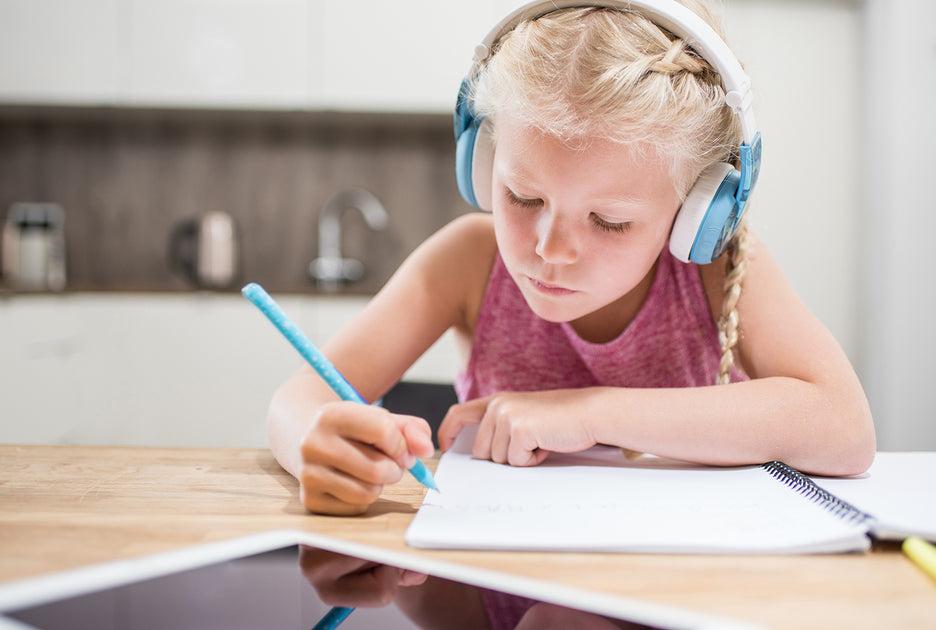
Why Parents Worry About Headphones More Than Ever
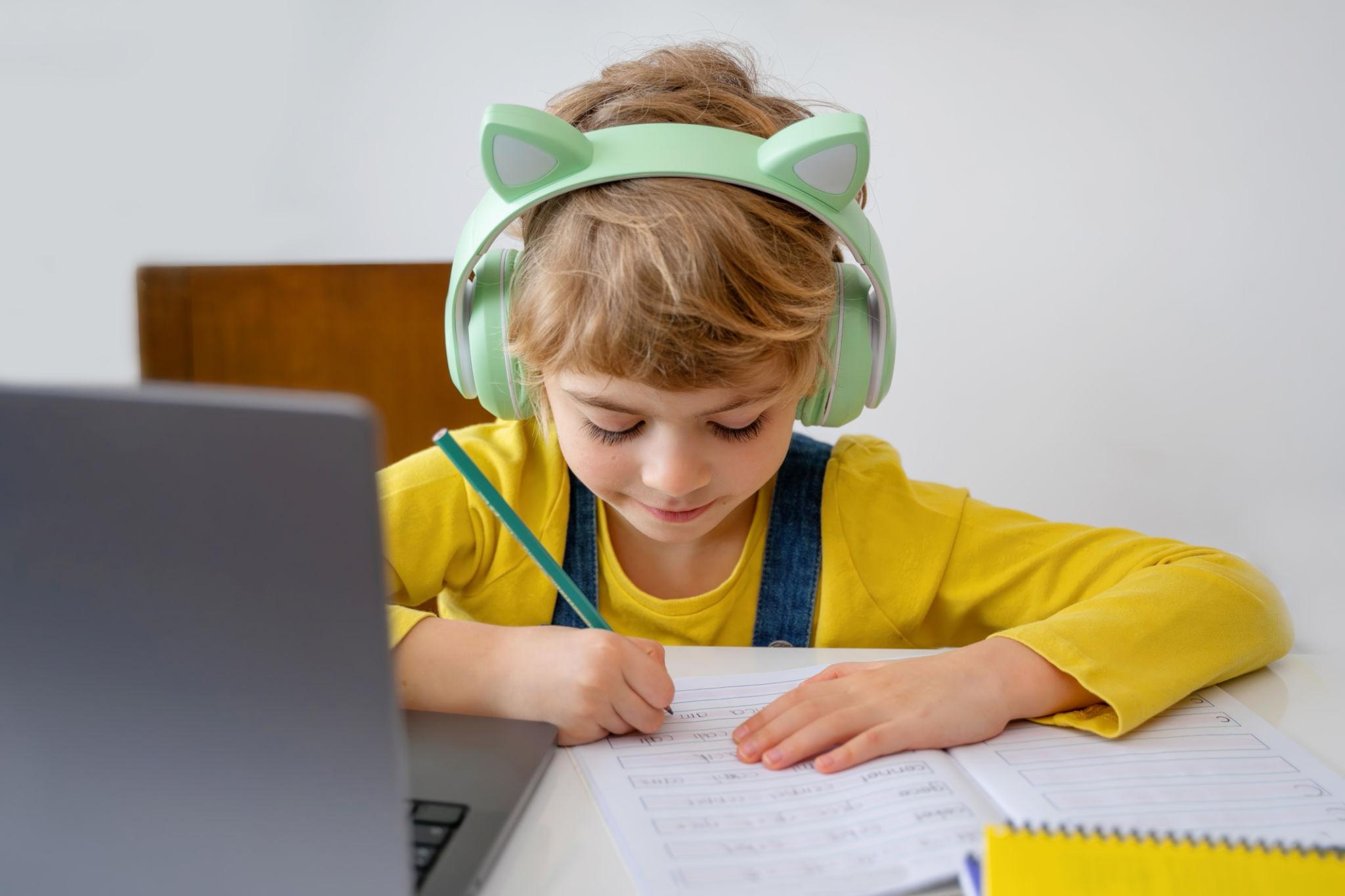
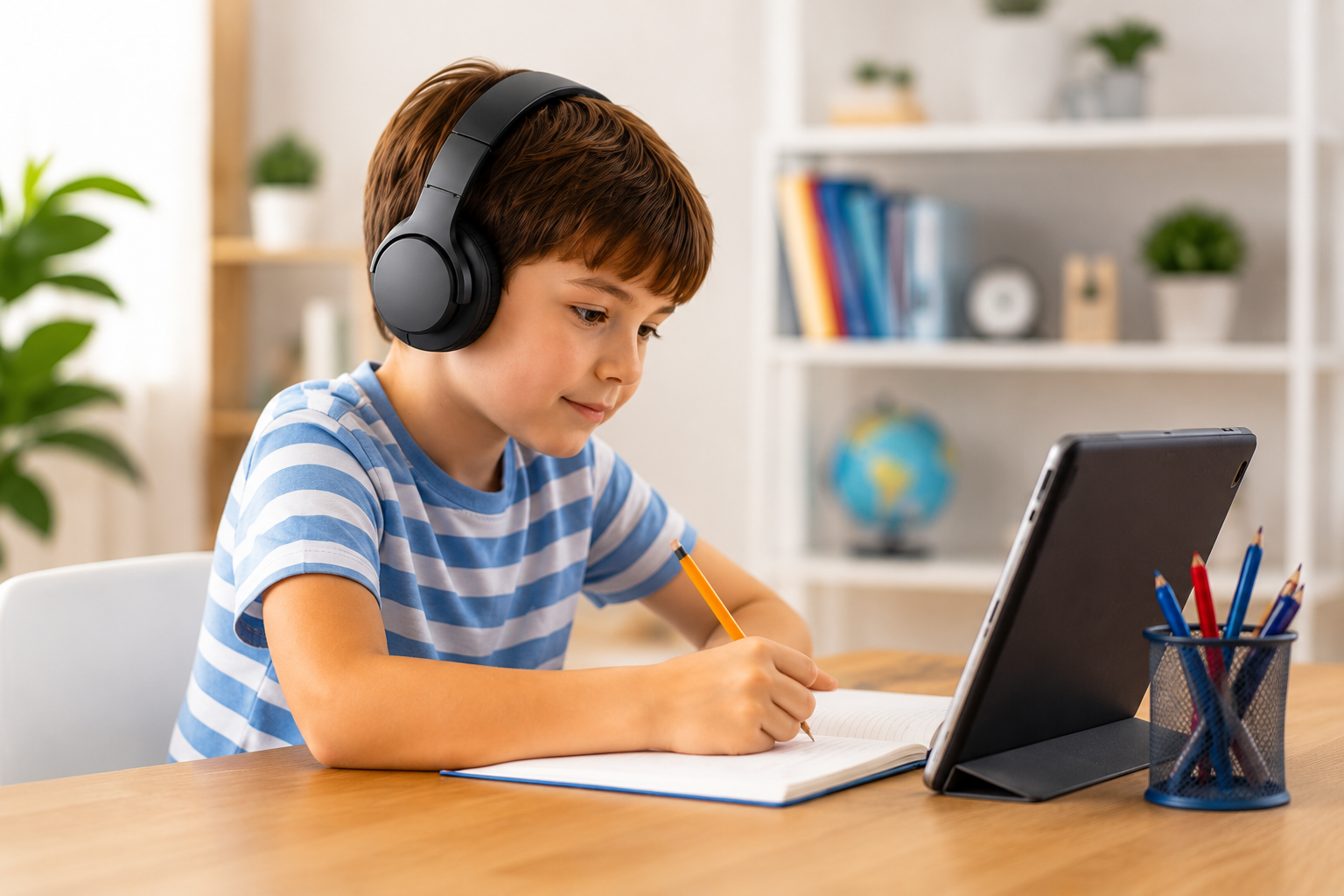
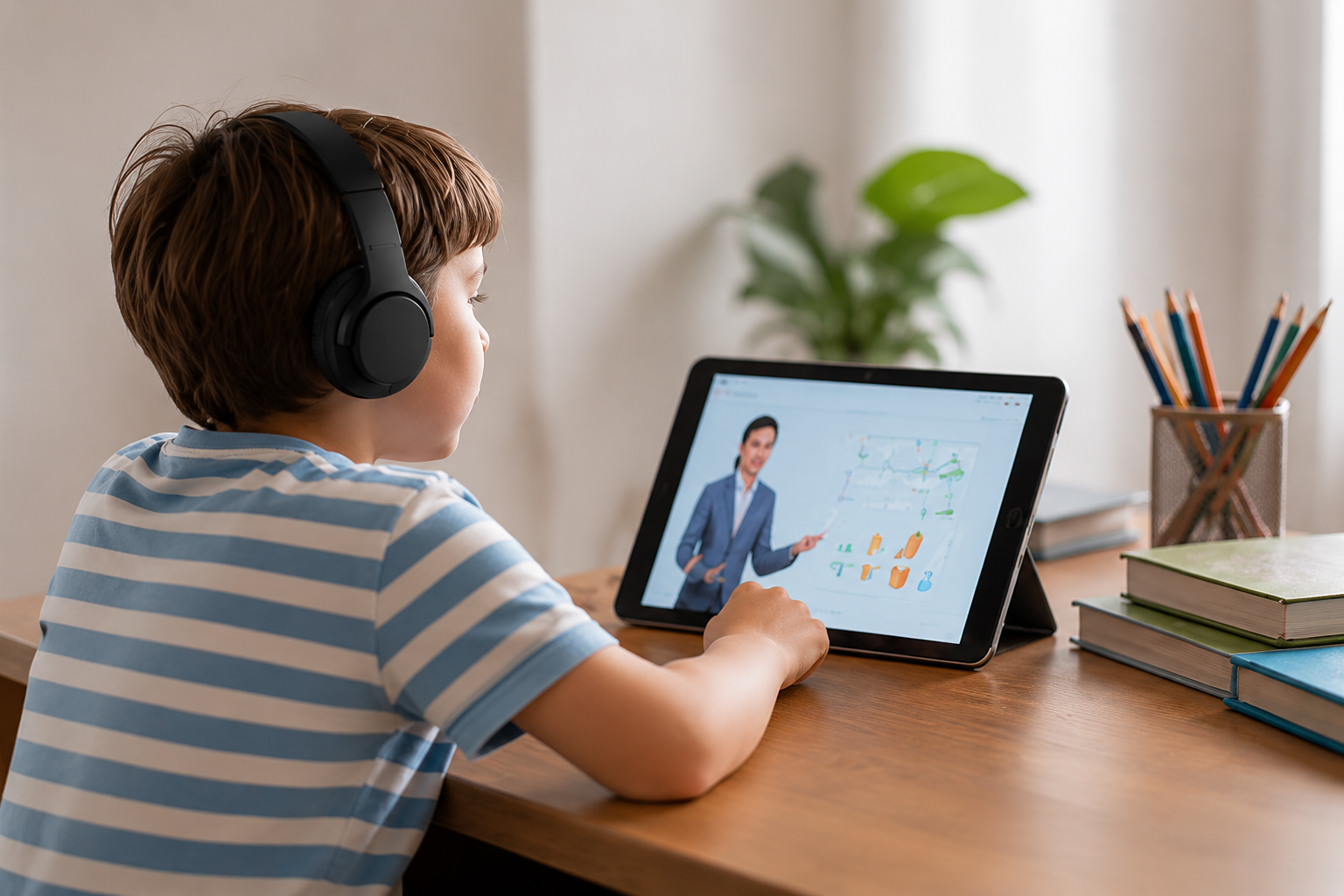
A few years ago, children mostly used headphones occasionally—during travel, at school, or for short periods at home. Today, the situation looks completely different. Online classes, tablets, streaming platforms, mobile games, and educational apps have turned headphones into an everyday product for many families.
The concern is understandable. Parents often notice children increasing the volume higher and higher, wearing headphones for several hours, or complaining about discomfort after extended use.
According to the World Health Organization, prolonged exposure to excessive sound levels can contribute to long-term hearing risks in children and teenagers.
At Skyringe, we approach this issue through controlled acoustic output, ergonomic structure design, and stable material engineering. Properly designed safe kids headphones should support comfortable listening while reducing unnecessary exposure to excessive sound pressure.
Why Listening Safety Depends on More Than Volume Limiting
Many products advertise “safe listening” by focusing only on maximum volume limits. In practice, children increase volume for several reasons beyond loudness itself.
Common causes include:
- Difficulty hearing speech clearly
- Poor headphone fit causing sound leakage
- External background noise
- Uncomfortable structures requiring constant adjustment
A properly designed pair of safe kids headphones improves listening behavior by addressing the full listening environment.
Key safety-focused design approaches include:
- Volume limitation (typically ≤85 dB)
Helps reduce excessive sound exposure during long sessions. - Speech-focused acoustic tuning
Improves clarity at lower listening levels. - Stable fit structures
Reduce the need to increase volume due to shifting headphones. - Noise isolation optimization
Minimizes environmental interference without requiring extreme volume.
The goal is not only reducing loudness—but making lower-volume listening more usable.
Child-Focused Ergonomic Design Improves Long-Term Comfort
Children react differently to pressure, weight, and heat buildup than adults. Headphones designed for adults often become uncomfortable quickly for younger users.
At Skyringe, we focus on:
- Lightweight structural design (120–180g range)
Reduces neck and head fatigue during extended use. - Soft low-pressure ear cushions
Improve comfort around sensitive ear areas. - Flexible headband adjustment systems
Adapt to growing children and different head sizes. - Rounded and reinforced structural edges
Improve durability and safety during active use. - Breathable materials
Help reduce heat accumulation during long sessions.
These elements allow safe kids headphones to remain comfortable during learning, entertainment, and travel use.
Standard Children’s Headphones vs Safe Kids Headphones
| Product Factor | Standard Children’s Headphones | Safe Kids Headphones | Improvement |
|---|---|---|---|
| Maximum output level | 95–105 dB | ≤85 dB | Safer listening range |
| Product weight | 180–260g | 120–180g | 25–40% lighter |
| Clamping force | Moderate–high | Low–moderate | 35–50% lower pressure |
| Long-session comfort | Moderate | High | +40% improvement |
| Speech clarity at lower volume | Variable | Stable | +25–35% |
| Return rate related to discomfort | 15–22% | 8–12% | -30–45% |
The difference comes from designing around children’s real listening behavior—not simply shrinking adult products.
Safe Kids Headphones in Everyday Family Scenarios
Different daily activities create different listening conditions for children.
1. Online learning and school sessions
Clear speech reproduction improves concentration without requiring higher volume.
2. Tablet and video streaming
Stable fit helps children maintain comfortable listening during longer viewing sessions.
3. Family travel environments
Controlled listening levels reduce fatigue during flights or car rides.
4. Shared home spaces
Children can enjoy entertainment without increasing overall household noise.
5. Gaming and interactive educational apps
Durable structures support active movement and repeated handling.
In these scenarios, safe kids headphones help create healthier and more stable listening habits.
Real Case: Reducing Parent Complaints Through Better Ergonomic Design
A children’s electronics retailer received frequent complaints from parents:
“The headphones are too tight and my child turns the volume too high.”
After redesigning the product structure and acoustic tuning:
- Comfort complaints dropped by over 40%
- Average listening volume levels decreased significantly
- Return rates related to discomfort fell by 18–25%
The improvement came from balancing comfort, clarity, and controlled audio—not from volume limitation alone.
Long-Term Commercial Value of Safer Listening Products
For distributors and brands, child-focused audio products offer important long-term advantages.
Properly engineered safe kids headphones help reduce:
- Product returns related to discomfort
- Negative reviews from parents
- Excessive wear caused by unstable structures
- Concerns related to unsafe listening levels
At Skyringe, we combine ergonomic structure design, controlled acoustic tuning, and stable manufacturing systems to develop products suitable for modern family and educational environments.
Working with Skyringe for Safe Kids Headphones
Skyringe develops and manufactures children’s headphones designed around safety, comfort, and long-term usability.
Our capabilities include:
- OEM and private-label headphone development
- Child-focused ergonomic engineering
- Controlled acoustic output design
- Stable manufacturing for global retail distribution
We help brands create products that support safer listening and better long-term user experience.
Explore our product range here:
👉 https://szty-b.pinshop.com/products
Learn more about our manufacturing capabilities here:
👉 https://szty-b.pinshop.com/about-us
Common Buyer Questions
Q: What volume level is considered safe for children?
Most hearing safety guidelines recommend keeping long-term listening below 85 dB.
Q: Why do children often increase headphone volume?
Poor fit, weak speech clarity, and background noise are common reasons.
Q: Are lightweight headphones always safer for children?
Not necessarily. Pressure balance and ergonomic fit are equally important.