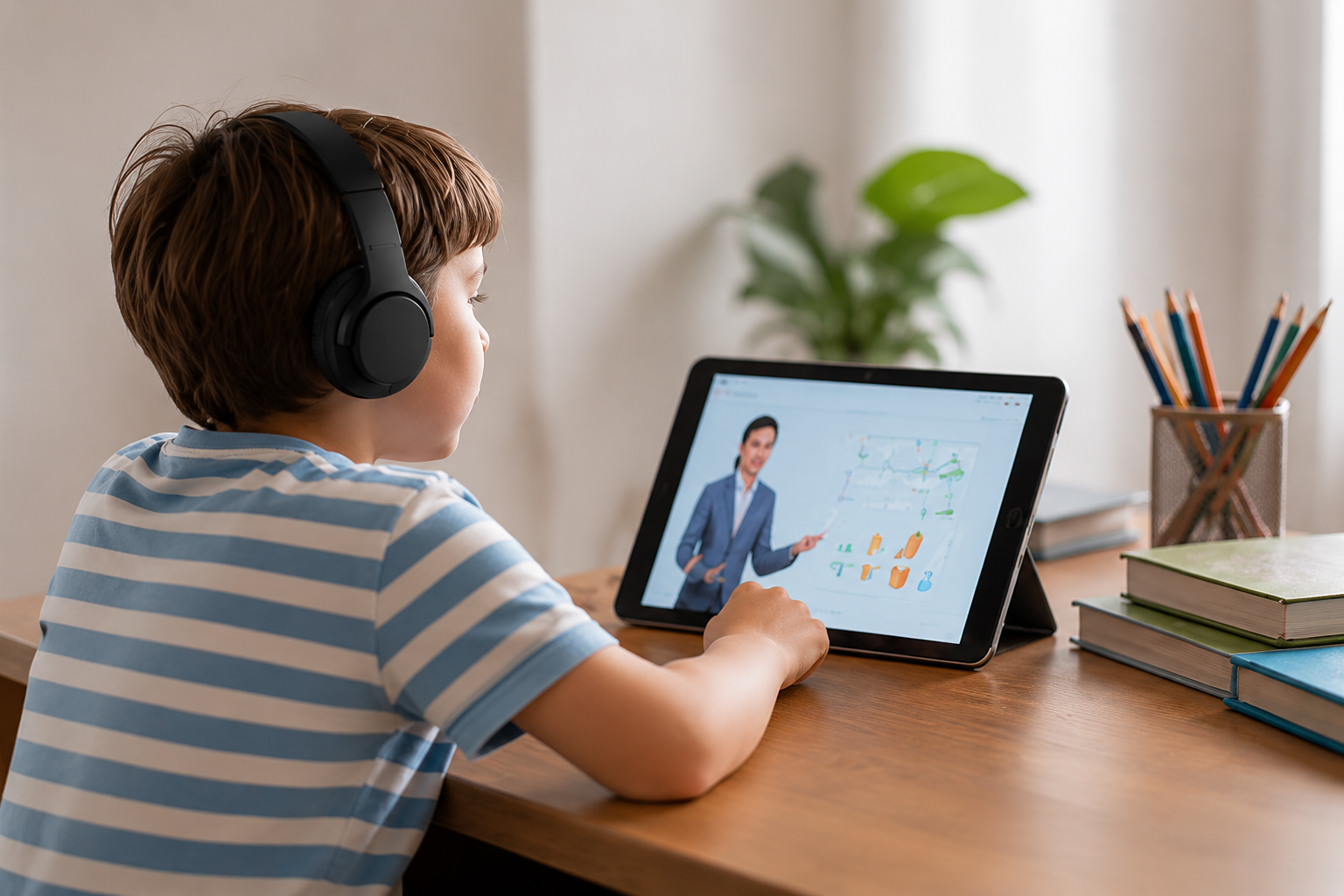
Why Children Keep Increasing the Volume Even When Adults Think It’s Already Loud
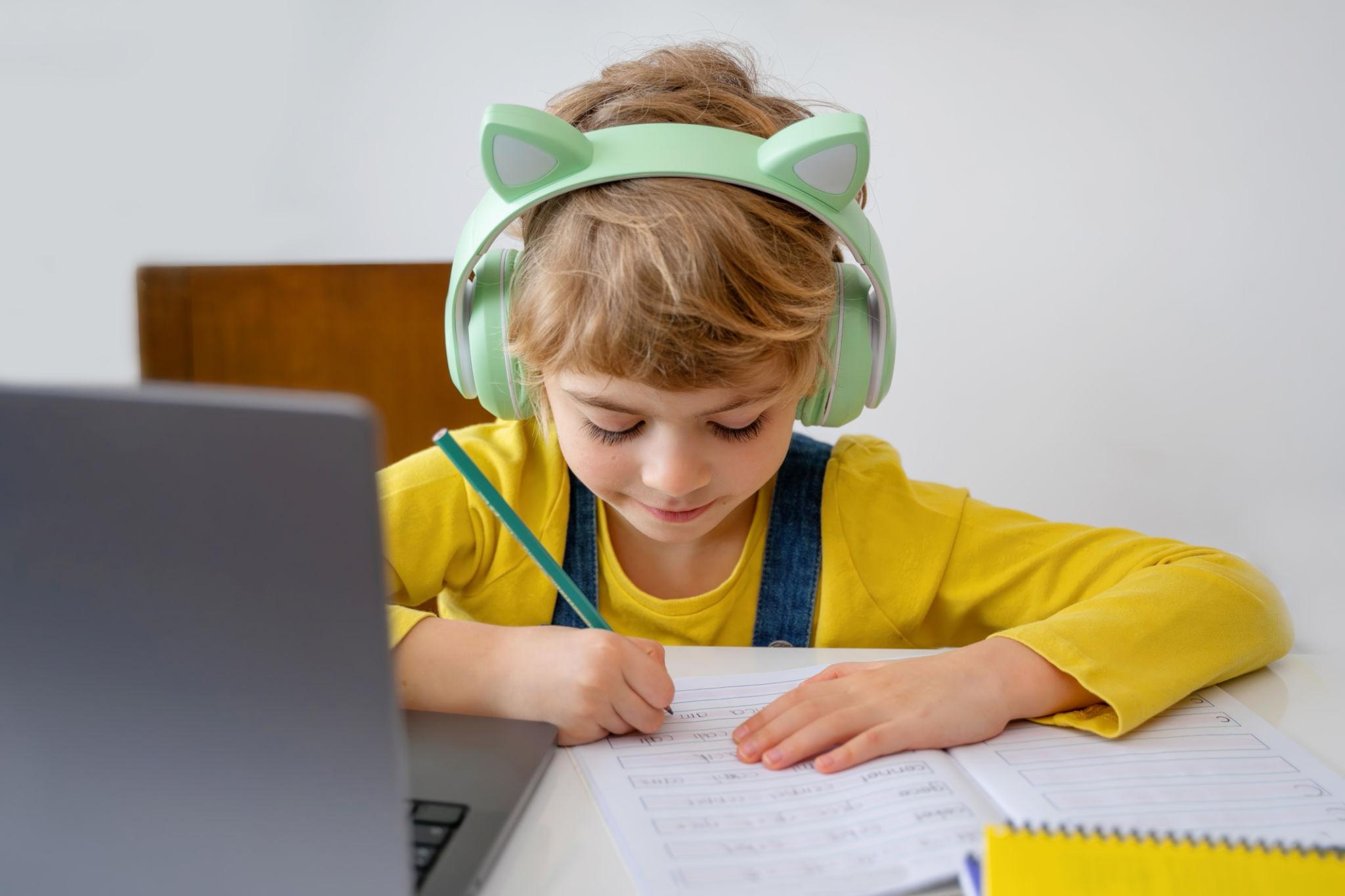
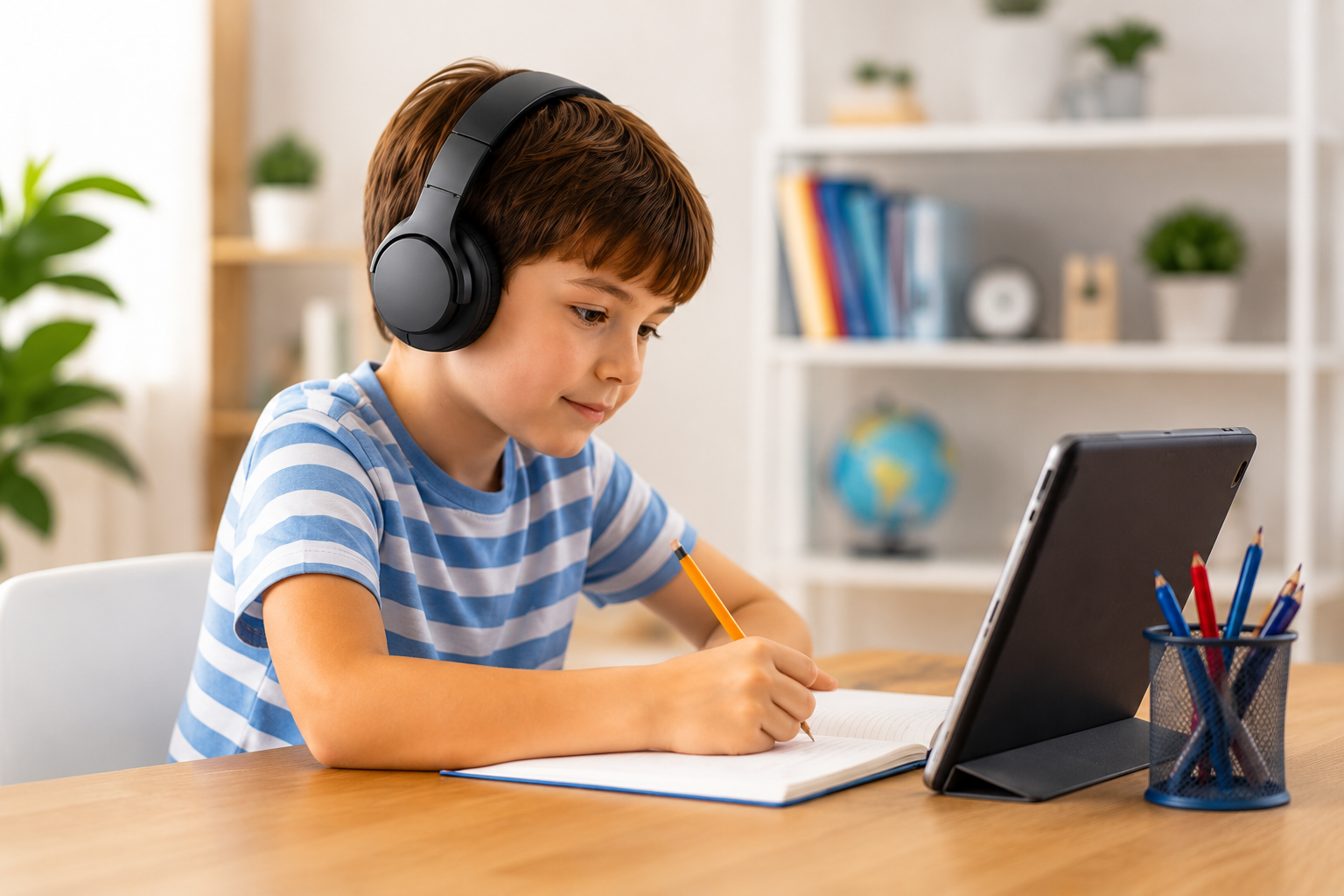
Many parents notice the same behavior. A child starts watching videos or attending an online lesson at a reasonable volume, but within minutes the sound level climbs higher and higher. Adults nearby often wonder:
“Why does it need to be that loud?”
In many cases, the problem is not simply volume preference. Children frequently increase volume because speech sounds unclear, background noise interferes with listening, or the headphones do not fit properly.
According to the World Health Organization, long-term exposure to excessive sound levels can increase the risk of hearing damage in children and adolescents.
At Skyringe, we focus on solving the root causes behind unsafe listening behavior. Properly designed volume limited kids headphones should improve clarity and comfort at lower listening levels—not simply restrict maximum output.
Why Volume Limiting Alone Does Not Solve Listening Problems
Some products rely entirely on hard volume caps. While limiting output is important, poor acoustic tuning or unstable fit can still encourage children to increase volume whenever possible.
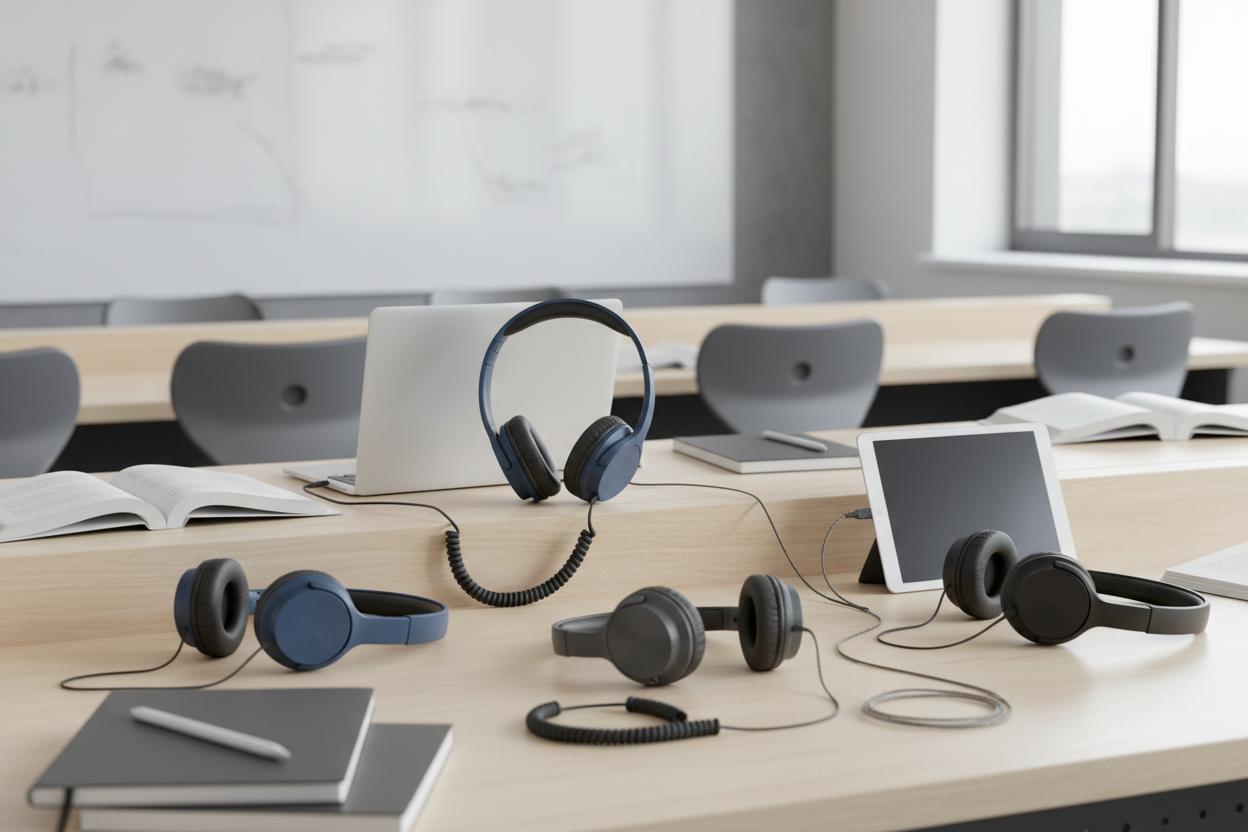
A well-designed pair of volume limited kids headphones combines multiple safety-focused elements:
- Controlled maximum output (typically ≤85 dB)
Reduces excessive sound exposure during long sessions. - Speech-focused acoustic tuning
Helps children hear voices clearly at lower volume levels. - Stable fit and ear alignment
Prevents sound leakage that often leads to unnecessary volume increases. - Reduced background interference
Improves listening clarity in noisy environments such as cars or classrooms.
The goal is to create a listening experience where lower volume still feels clear and comfortable.
Child-Focused Structural Design Improves Comfort During Long Sessions
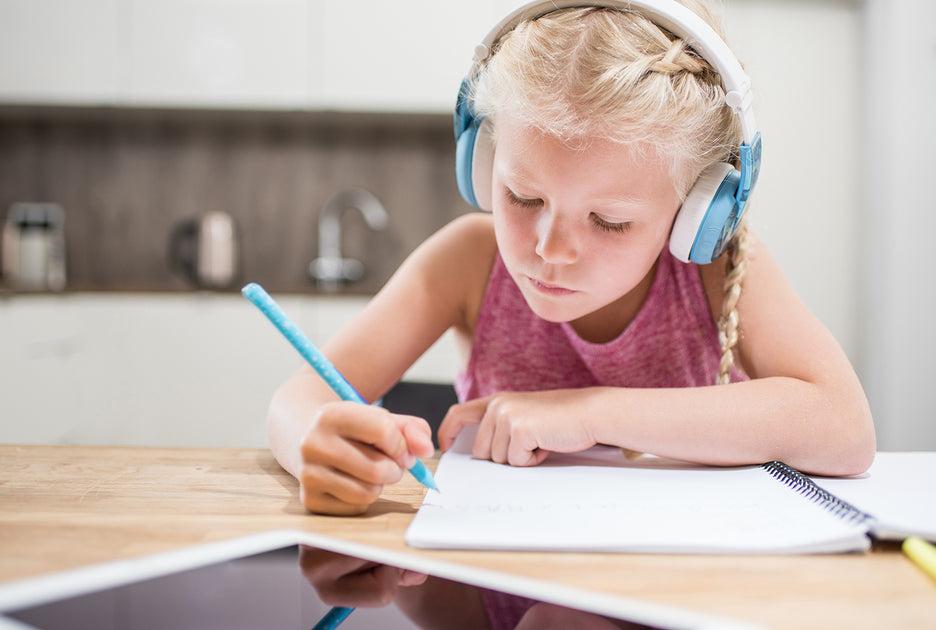
Children use headphones differently from adults. They move more, reposition headphones frequently, and often wear them for learning, entertainment, and travel throughout the day.
At Skyringe, we focus on:
- Lightweight structures (120–180g range)
Reduce fatigue during extended use. - Soft low-pressure ear cushions
Improve comfort around smaller ears and reduce pressure buildup. - Flexible adjustable headbands
Support different age groups and head sizes. - Rounded reinforced structures
Improve durability during daily handling. - Breathable material surfaces
Help reduce heat accumulation over long sessions.
These design choices allow volume limited kids headphones to remain comfortable while supporting safer listening behavior.
Standard Kids Headphones vs Volume Limited Kids Headphones
| Product Factor | Standard Kids Headphones | Volume Limited Kids Headphones | Improvement |
|---|---|---|---|
| Maximum output level | 95–105 dB | ≤85 dB | Safer listening range |
| Speech clarity at moderate volume | Variable | Stable | +25–35% |
| Long-session comfort | Moderate | High | +35–45% |
| Pressure on smaller head sizes | Medium–high | Low–moderate | -30–50% |
| Listening fatigue after 2+ hours | Noticeable | Reduced | -35–45% |
| Return rate related to discomfort | 15–22% | 8–12% | -30–45% |
The difference is not simply lower volume.
It is better listening quality at safer levels.
Volume Limited Kids Headphones in Everyday Use
Different environments create different listening challenges for children.
1. Online classes and educational apps
Clear speech helps children stay focused without increasing volume.
2. Tablet and streaming entertainment
Comfort-focused structures support long viewing sessions.
3. Car rides and travel
Noise isolation reduces the need for excessive listening levels.
4. Shared home environments
Children can enjoy content without increasing household noise.
5. Interactive learning and games
Stable fit and durable structures support active daily use.
In these situations, volume limited kids headphones help build healthier listening habits while improving comfort and usability.
Real Case: Improving Safe Listening Behavior Through Better Design
A family electronics distributor received repeated feedback from parents that children constantly tried to increase headphone volume during tablet use.
After switching to a redesigned model with:
- Improved speech-focused tuning
- Better ear cushion sealing
- Lower pressure ergonomic structure
Results included:
- Average listening levels reduced significantly
- Parent complaints dropped by over 40%
- Return rates related to comfort and sound issues decreased by 18–25%
The improvement came from improving listening quality—not only limiting sound output.
Long-Term Value of Safer Listening Product Design
For brands and distributors, safer listening products create both user and commercial advantages.
Well-designed volume limited kids headphones help reduce:
- Product returns caused by discomfort
- Parent concerns related to hearing safety
- Negative reviews about poor sound clarity
- Long-term durability issues caused by unstable structures
At Skyringe, we combine ergonomic engineering, controlled acoustic tuning, and stable manufacturing systems to develop products designed for modern children’s listening environments.
Working with Skyringe for Volume Limited Kids Headphones
Skyringe develops and manufactures children’s headphones focused on safe listening, long-term comfort, and stable everyday performance.
Our capabilities include:
- OEM and private-label headphone development
- Child-focused ergonomic structure optimization
- Controlled acoustic output design
- Scalable manufacturing for global retail distribution
We help brands create products that support safer and more comfortable listening experiences for children.
Explore our product range here:
👉 https://szty-b.pinshop.com/products
Learn more about our manufacturing capabilities here:
👉 https://szty-b.pinshop.com/about-us
Common Buyer Questions
Q: What volume level is considered safe for children?
Most hearing safety recommendations suggest long-term listening below 85 dB.
Q: Why do children still increase volume on some headphones?
Poor fit, unclear dialogue, and background noise often encourage higher listening levels.
Q: Are all volume-limited headphones equally effective?
No. Fit stability, speech clarity, and comfort design also play major roles.