Why Children Lose Focus Faster During Online Learning
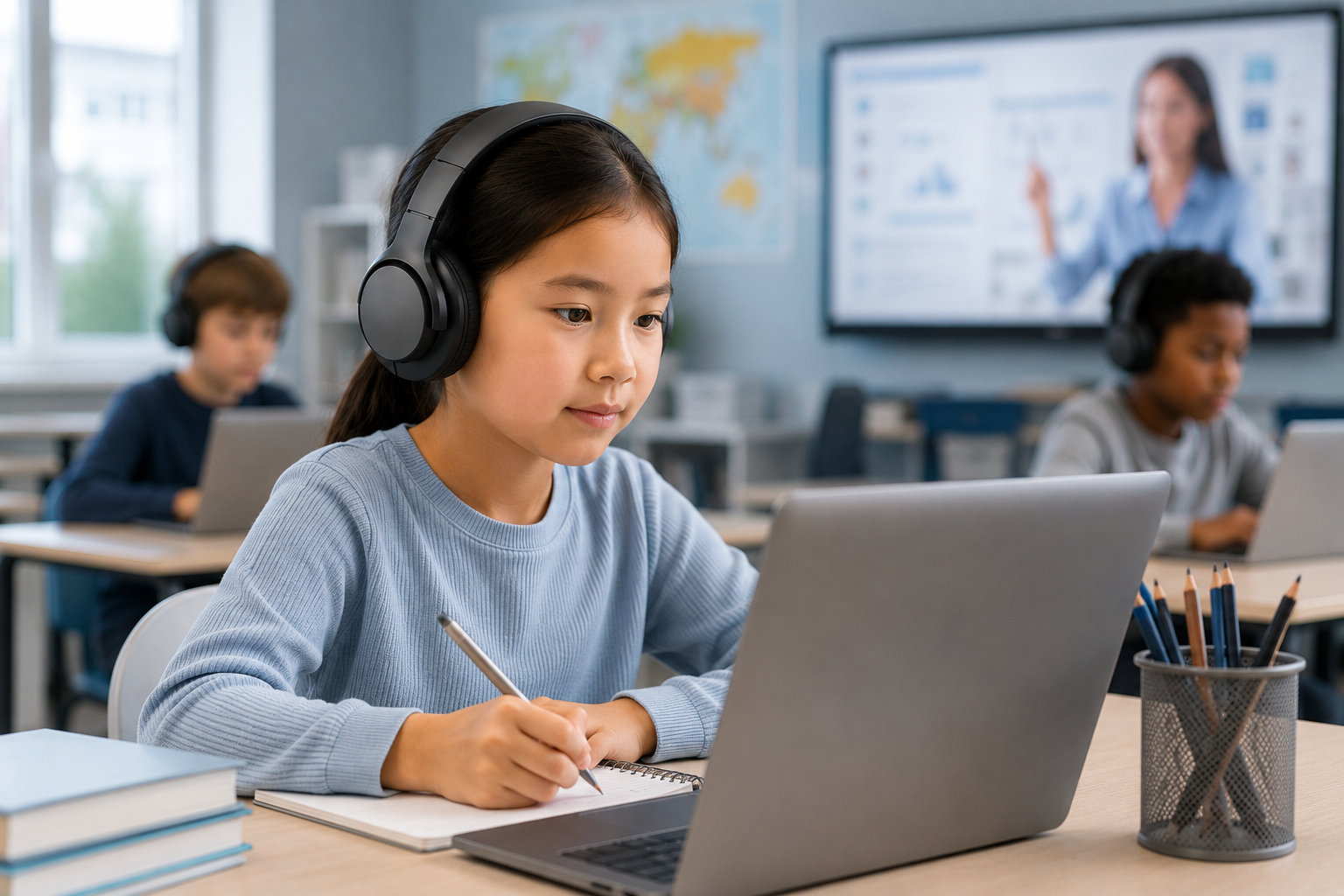
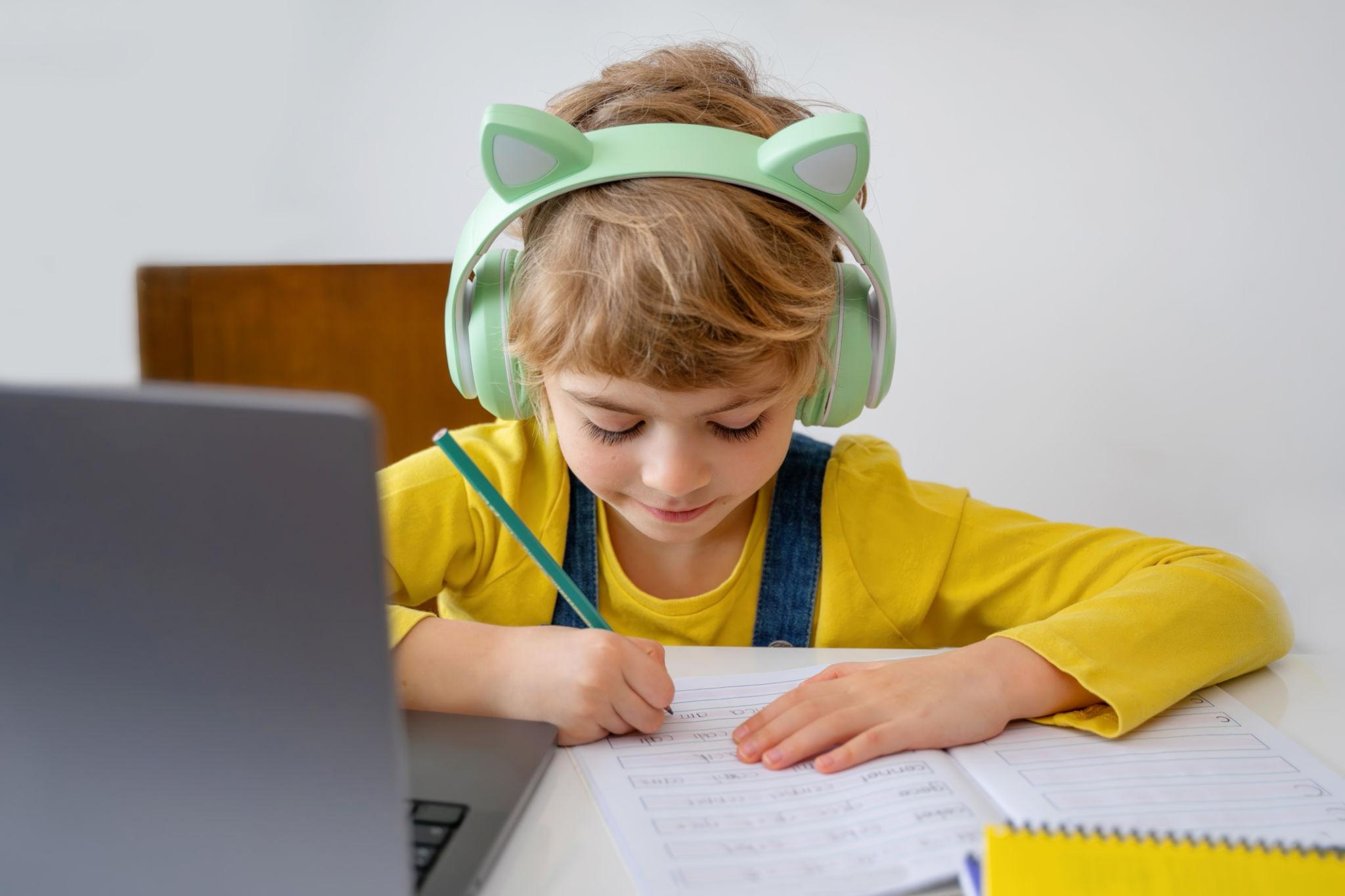
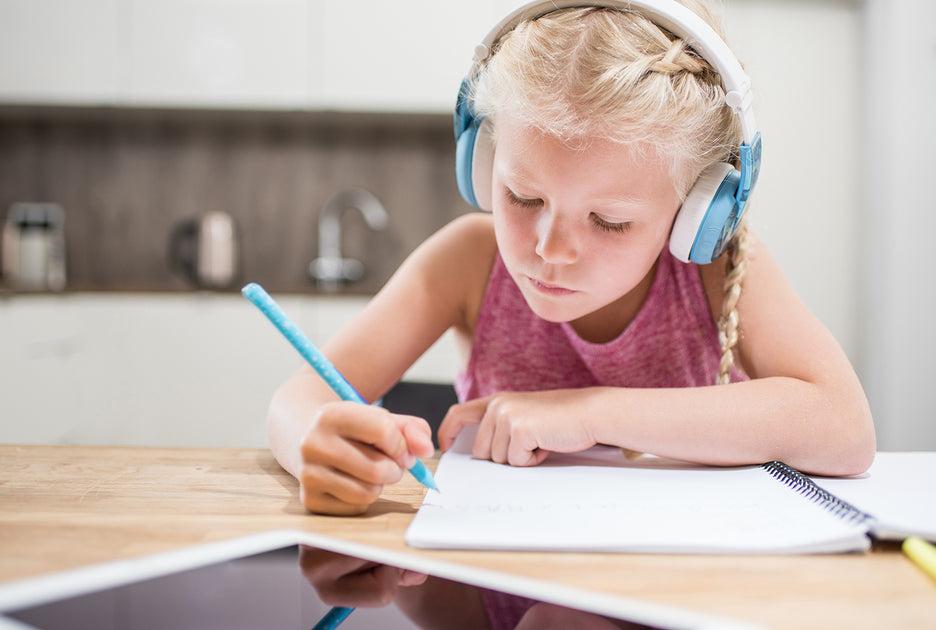
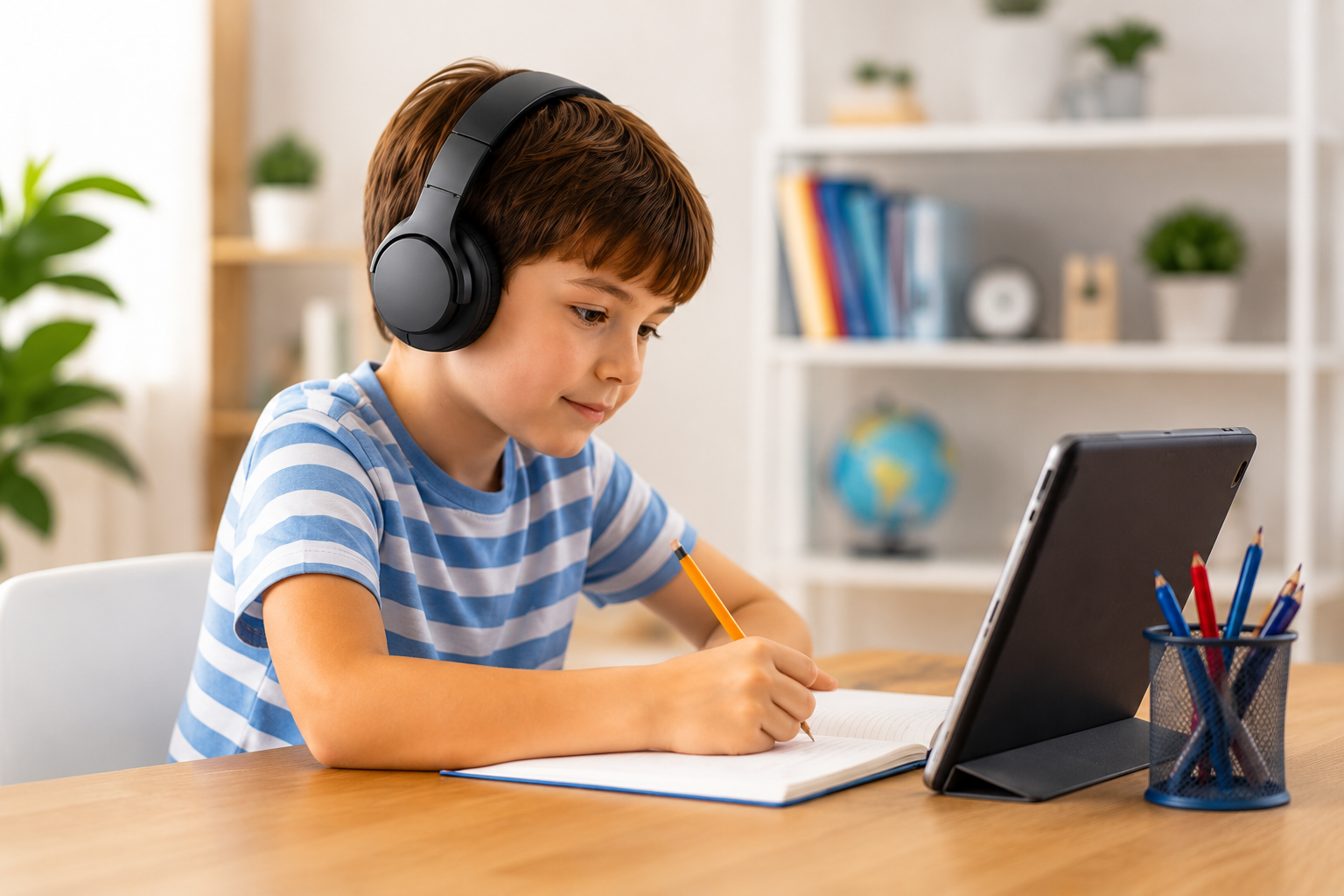
Many parents notice the same pattern during online classes. A child begins focused and attentive, but after 20 or 30 minutes, concentration drops. The headphones are adjusted repeatedly, volume levels increase, and distractions become more frequent.
In many cases, the issue is not only attention span. Poor audio clarity, uncomfortable pressure, and unstable headphone fit can quietly increase listening fatigue, making it harder for children to stay engaged.
According to studies referenced by the American Academy of Pediatrics, learning environments that reduce distraction and improve speech clarity can significantly support children’s attention and comprehension.
At Skyringe, we design kids learning headphones around long-session comfort, speech-focused acoustic tuning, and lightweight ergonomic structures that support real educational use—not just entertainment.
Why Learning Audio Requires Different Headphone Tuning
Educational content is different from music or gaming audio. In learning environments, speech clarity matters more than exaggerated bass or high-volume output.
Children must clearly hear:
- Teacher instructions
- Pronunciation and language details
- Educational video dialogue
- Classroom interaction during virtual sessions
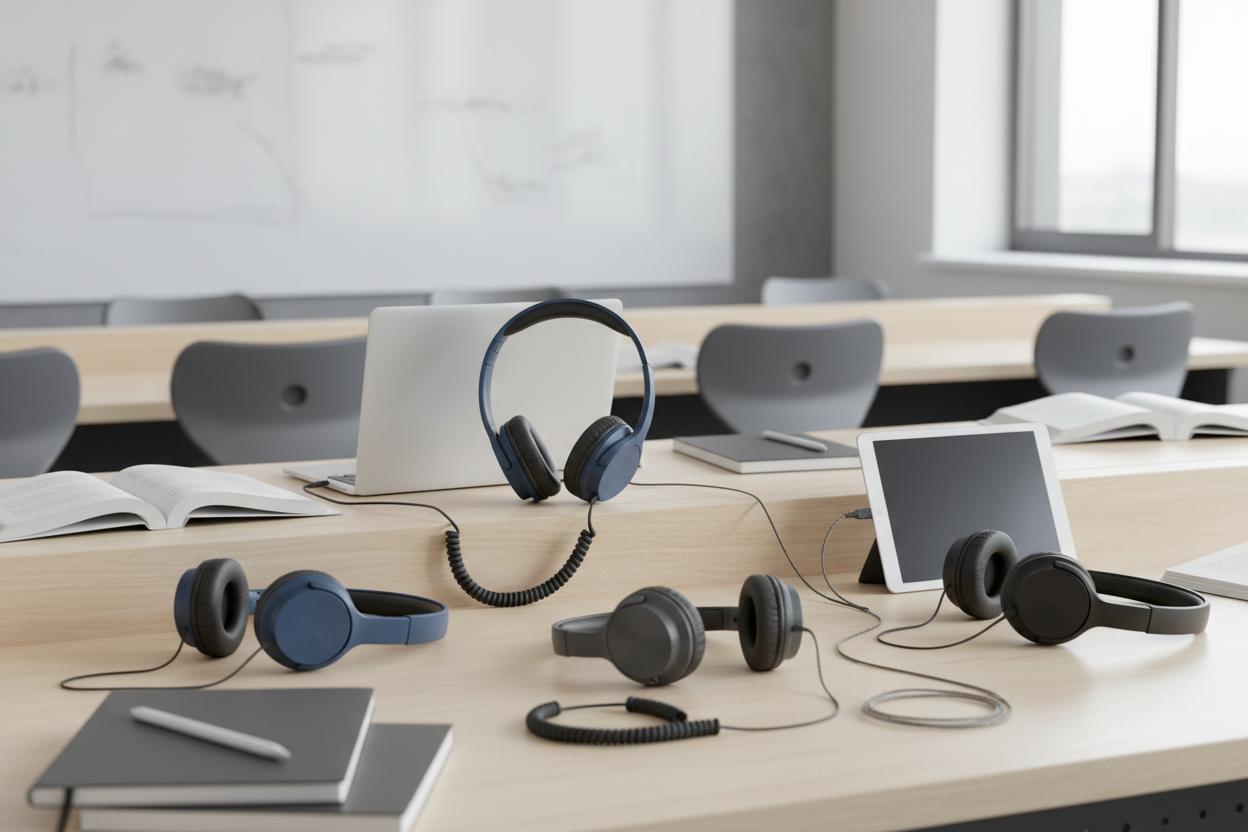
A well-designed pair of kids learning headphones focuses on:
- Speech-focused frequency tuning
Enhances vocal clarity without requiring high volume. - Reduced listening fatigue
Balanced audio prevents harsh or tiring sound during long lessons. - Stable stereo balance
Keeps voices centered and natural. - Controlled audio output
Helps maintain safer listening levels during daily use.
The goal is not louder sound—it is clearer learning communication.
Ergonomic Design That Supports Long Study Sessions
Children wear learning headphones differently from adults. They move frequently, shift posture, and often use headphones for multiple classes or study sessions in one day.
At Skyringe, we focus on:
- Lightweight structures (120–180g)
Reduce neck and head fatigue. - Soft low-pressure ear cushions
Improve comfort during extended wear. - Flexible adjustable headbands
Support different age groups and head sizes. - Breathable materials
Reduce heat buildup during long lessons. - Durable reinforced structures
Improve reliability under daily handling and repeated use.
These features allow kids learning headphones to remain comfortable throughout longer educational sessions.
Standard Kids Headphones vs Kids Learning Headphones
| Product Factor | Standard Kids Headphones | Kids Learning Headphones | Improvement |
|---|---|---|---|
| Speech clarity during online classes | Moderate | High | +30–40% |
| Long-session comfort | Moderate | High | +35–45% |
| Listening fatigue after 2+ hours | Noticeable | Reduced | -30–45% |
| Fit stability during movement | Variable | Stable | +25–35% |
| Recommended listening level | 90–100 dB | ≤85 dB | Safer listening |
| Return rate related to comfort | 15–22% | 8–12% | -30–45% |
The difference comes from optimizing for educational environments rather than general entertainment use.
Kids Learning Headphones in Real Educational Scenarios
Different learning situations place different demands on headphone performance.
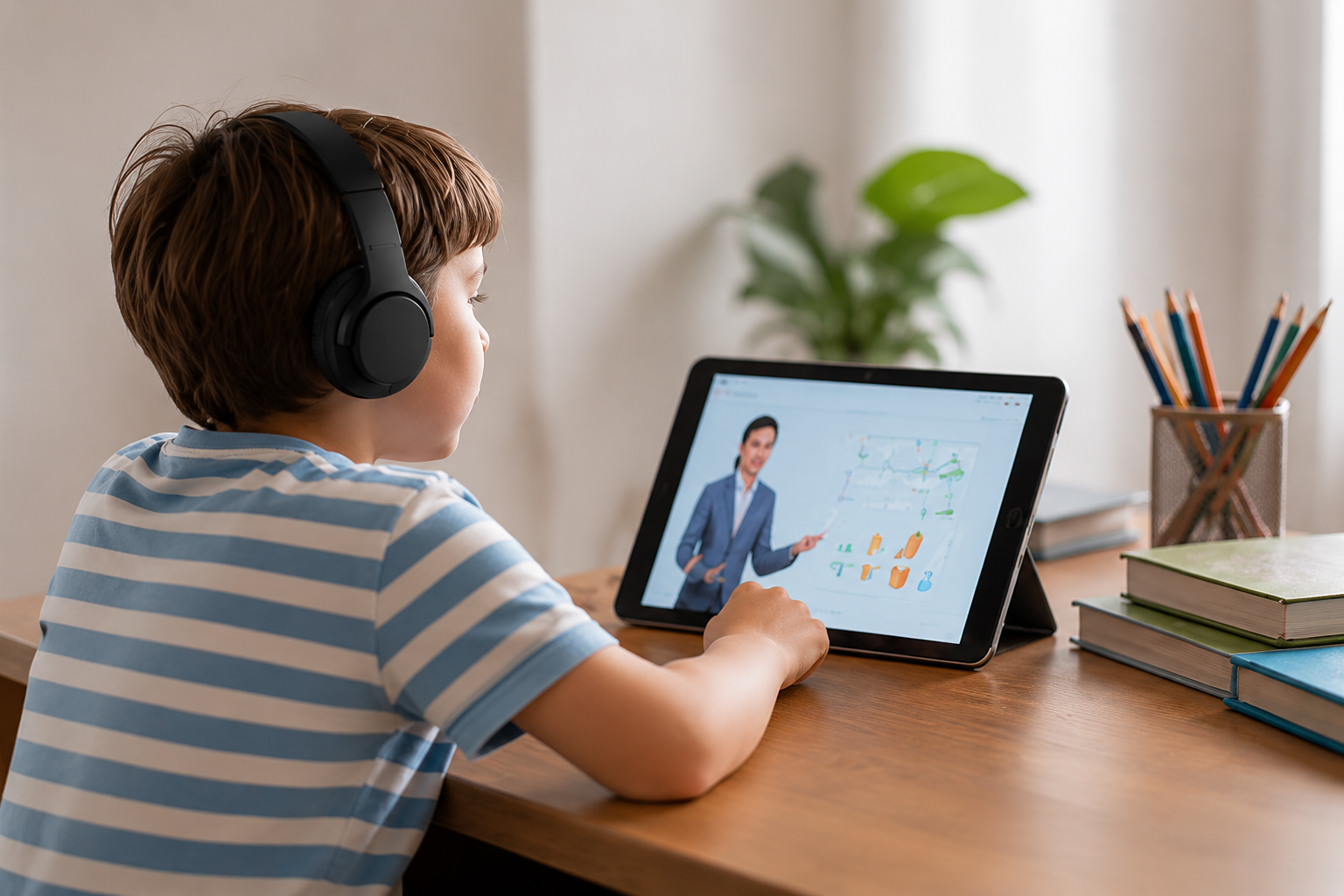
1. Online classes and virtual learning
Clear voice reproduction improves comprehension during lessons.
2. Language learning applications
Stable speech clarity helps children distinguish pronunciation more accurately.
3. Homework and study sessions
Comfort-focused structures support longer periods of concentration.
4. Shared family environments
Children can study without increasing household noise.
5. Tablet-based educational activities
Stable fit and lightweight structures improve usability during interactive learning.
In these situations, properly designed kids learning headphones help create a more focused and comfortable study environment.
Real Case: Improving Online Learning Comfort for Children
A distributor supplying educational electronics received repeated feedback from parents:
“The headphones are fine at first, but children stop wearing them during longer lessons.”
After improving:
- Cushion softness
- Speech-focused tuning
- Headband pressure distribution
Results included:
- Comfort complaints reduced by over 40%
- Average lesson usage duration increased significantly
- Return rates related to discomfort decreased by 18–25%
The improvement came from balancing comfort and clarity specifically for educational use.
Long-Term Value of Education-Focused Headphone Design
For brands and distributors, products optimized for learning environments provide measurable advantages.
Well-designed kids learning headphones help reduce:
- Parent complaints related to discomfort
- Listening fatigue during long classes
- Product returns caused by poor fit or unstable audio
- Concerns related to excessive listening volume
At Skyringe, we combine ergonomic structure engineering, controlled acoustic tuning, and stable manufacturing systems to develop products suited for modern educational environments.
Working with Skyringe for Kids Learning Headphones
Skyringe develops and manufactures educational headphone solutions focused on comfort, clarity, and long-term daily usability.
Our capabilities include:
- OEM and private-label headphone development
- Child-focused ergonomic optimization
- Speech-focused acoustic tuning
- Stable manufacturing for educational and retail distribution
We help brands create products designed for real learning environments rather than short-term testing scenarios.
Explore our product range here:
👉 https://szty-b.pinshop.com/products
Learn more about our manufacturing capabilities here:
👉 https://szty-b.pinshop.com/about-us
Common Buyer Questions
Q: Why are learning headphones different from regular kids headphones?
Learning headphones prioritize speech clarity, comfort, and lower listening fatigue during long sessions.
Q: Are lower volume levels enough for safe learning use?
No. Proper fit and speech clarity are also important for comfortable listening.
Q: What is the ideal weight for children’s learning headphones?
Most comfortable educational models typically fall within the 120–180g range.