Schools have invested heavily in tablets, computers, learning platforms, language programs, and digital classrooms. Yet many teachers still encounter familiar problems: students miss instructions, become distracted during lessons, or struggle to remain engaged during audio-based activities.
The issue is not always the curriculum or technology platform. Often, the weakest link is how information is delivered.
When speech becomes difficult to understand, students spend more effort trying to hear than trying to learn. Over time, concentration decreases, fatigue increases, and educational efficiency suffers.
According to the U.S. Department of Education, access to clear and consistent instructional content plays a significant role in technology-supported learning. Research published through the American Speech-Language-Hearing Association (ASHA) also highlights the importance of speech intelligibility in educational environments.
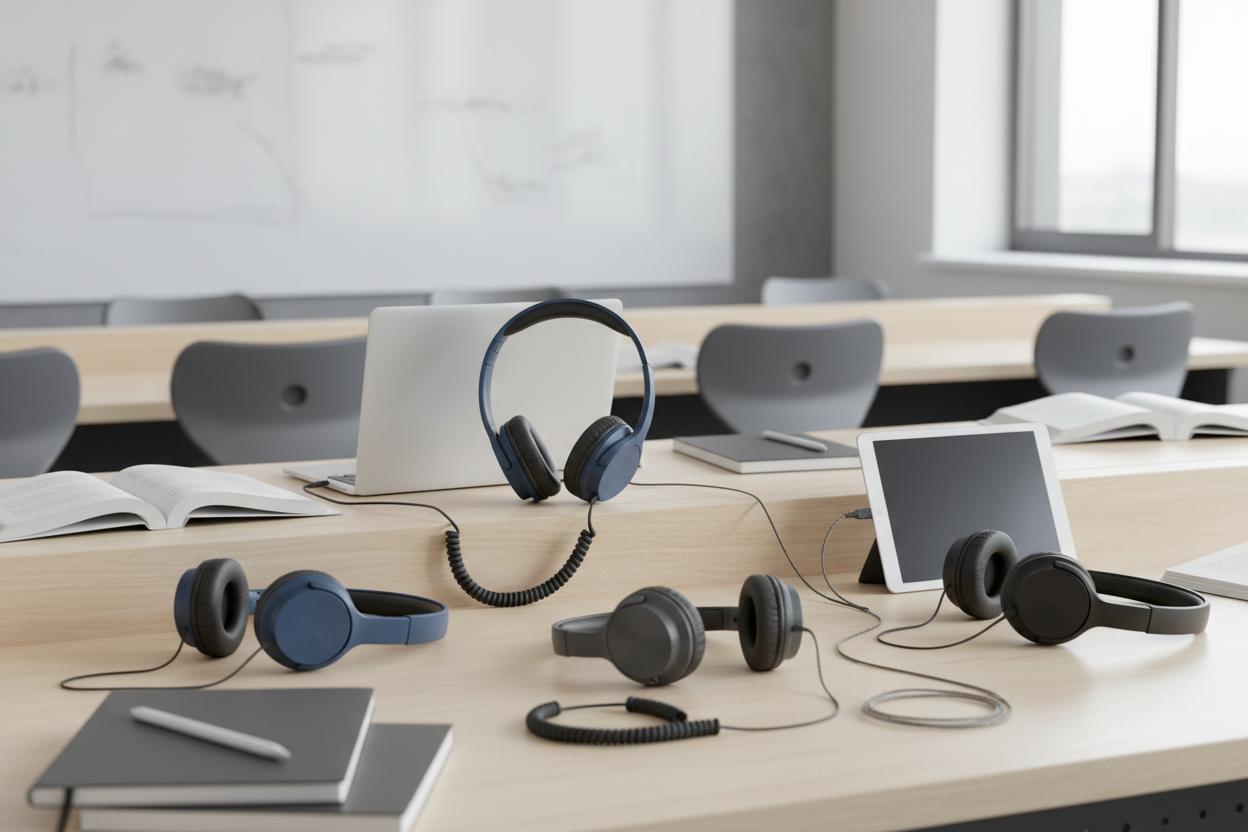
At Skyringe, our educational audio devices are designed to help schools, distributors, and educational brands improve communication, focus, and learning consistency across a wide range of learning environments.

Why Educational Audio Requires a Different Approach Than Consumer Audio
Entertainment products are designed to maximize enjoyment. Educational products must maximize comprehension.
Students primarily need to hear:
- Teacher instructions
- Classroom discussions
- Language-learning content
- Educational videos
- Testing instructions
- Interactive learning programs
Because of these requirements, effective educational audio devices focus on:
Speech Clarity
Students should understand instructions immediately without repeated listening.
Reduced Listening Fatigue
Audio should remain comfortable during extended learning sessions.
Consistent Volume Distribution
Every student should receive the same learning experience.
Reliable Daily Operation
Educational equipment must function consistently throughout the school year.
The goal is not louder audio—it is more effective communication.
How Educational Audio Devices Improve Student Performance
The connection between audio quality and educational performance is often underestimated.
Properly designed educational audio devices improve learning by supporting several key factors.
Better Speech Recognition
Optimized vocal frequencies make teacher instructions easier to understand.
Improved Attention Retention
Students spend less effort processing audio and more effort processing information.
Reduced Classroom Distractions
Clear audio helps students focus on learning materials instead of surrounding activity.
More Consistent Learning Conditions
Every learner receives the same audio information regardless of seating position or environment.
These improvements create measurable educational benefits over time.
Standard Consumer Audio Products vs Educational Audio Devices
| Performance Factor | Consumer Audio Products | Educational Audio Devices | Improvement |
|---|---|---|---|
| Speech Clarity | 70-80% | 90-96% | +20-30% |
| Student Attention Retention | Baseline | +15-25% | Improved Focus |
| Learning Efficiency | Standard | Enhanced | +20-35% |
| Listening Fatigue After 2 Hours | Noticeable | Reduced | -30-50% |
| Classroom Suitability | Moderate | High | +40-60% |
| Device Compatibility | Variable | Educational Ready | +20-30% |
| Return Rate Related to Comfort | 15-22% | 8-12% | -30-45% |
The primary advantage is not audio power—it is helping students absorb information more effectively.
Educational Audio Devices Across Real Learning Environments
Different educational settings place different demands on audio equipment.
1. Digital Classrooms
Students participate in multimedia lessons, requiring clear and consistent audio delivery throughout the school day.
2. Language Learning Programs
Accurate speech reproduction supports pronunciation training and listening comprehension.
3. Computer Labs
Large groups of students require durable and easy-to-manage audio equipment.
4. Educational Testing Centers
Standardized assessments depend on consistent audio quality for all participants.
5. Hybrid and Remote Learning Programs
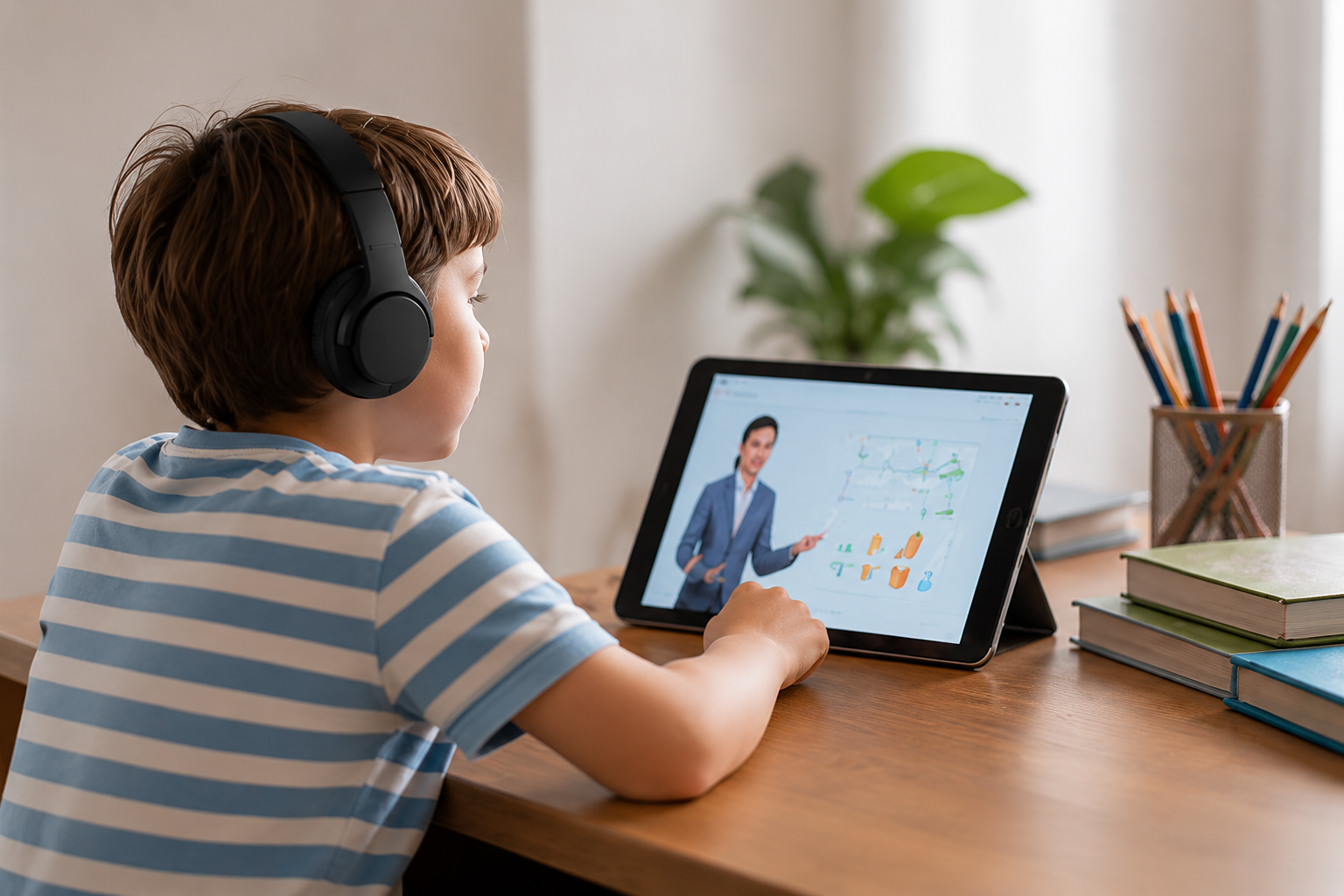
Students learning from home need reliable audio solutions that support concentration and understanding.
These environments demonstrate why educational audio devices must be designed around educational outcomes rather than entertainment preferences.
What Schools and Educational Buyers Should Consider Before Purchasing
Selecting educational audio equipment requires evaluating long-term performance rather than short-term specifications.
Important considerations include:
- Speech-focused acoustic performance
- Comfortable long-session wear
- Durable structural design
- Safe listening levels
- Broad device compatibility
- Easy maintenance and cleaning
- Stable manufacturing consistency
- Long-term supply reliability
The most successful educational deployments focus on total ownership value rather than initial purchase cost.
Real Case: Improving Classroom Engagement Through Better Audio Delivery
A regional educational technology supplier was experiencing recurring complaints from teachers regarding student engagement during multimedia learning activities.
After implementing an upgraded educational audio solution featuring:
- Improved speech clarity
- More comfortable headphone structures
- Enhanced classroom durability
Results included:
- Student engagement scores improved by over 20%
- Teacher-reported distractions decreased significantly
- Equipment replacement rates dropped by 25-30%
- Product satisfaction increased across multiple school districts
The improvement was driven by better communication quality rather than changes to educational content.
FAQ
Q1: What makes educational audio devices different from consumer audio products?
Educational audio devices prioritize speech clarity, learning efficiency, comfort, and classroom durability rather than entertainment-focused sound tuning.
Q2: Which educational environments benefit most from educational audio devices?
Digital classrooms, language learning programs, computer labs, testing centers, and remote learning environments all benefit significantly.
Q3: What is the most important feature when selecting educational audio equipment?
Clear speech reproduction, comfort, durability, and long-term reliability are typically the most important factors.
Long-Term Value of Educational Audio Devices
For schools, educational distributors, technology providers, and private-label brands, properly designed educational audio devices create long-term operational and educational benefits.
They help reduce:
- Learning interruptions
- Student listening fatigue
- Equipment replacement costs
- Classroom distractions
- Technical support requirements
At Skyringe, we combine educational acoustic optimization, ergonomic design, durable construction, and scalable manufacturing to develop audio solutions specifically for modern learning environments.
Explore our product portfolio here:
https://szty-b.pinshop.com/products
Learn more about our manufacturing capabilities here:
https://szty-b.pinshop.com/about-us
For additional educational audio guidance and support resources, visit:
https://szty-b.pinshop.com/faqs