Why Many “Standard Office Headphones” Fail in Real Daily Use
In many office environments, headphones are purchased under conditions that have little to do with how they are actually used. Selection is often driven by short demo sessions, basic specification sheets, or price comparisons, while real usage involves continuous wear, frequent adjustments, and daily communication over months or years. Under these conditions, products that appear acceptable at first often reveal structural and ergonomic limitations.
Common issues include pressure imbalance after extended wear, gradual loss of cushion support, loosened adjustment mechanisms, and inconsistent comfort across different users. These are not isolated quality defects, but predictable outcomes when headphones are not engineered for long-duration, repetitive office use. When deployed at scale, such shortcomings translate into lower adoption rates, higher replacement frequency, and increased operational friction—regardless of initial cost advantages.
This gap between purchasing assumptions and real usage is precisely where a professional commercial headphone supplier differentiates itself, by designing office headphones around long-term daily performance rather than short-term evaluation.
Structural, Material, and Acoustic Optimizations for Daily Office Use
Designing office headphones for continuous daily use requires coordinated optimization across structure, materials, and acoustic components:
-
Headband structure and elasticity control
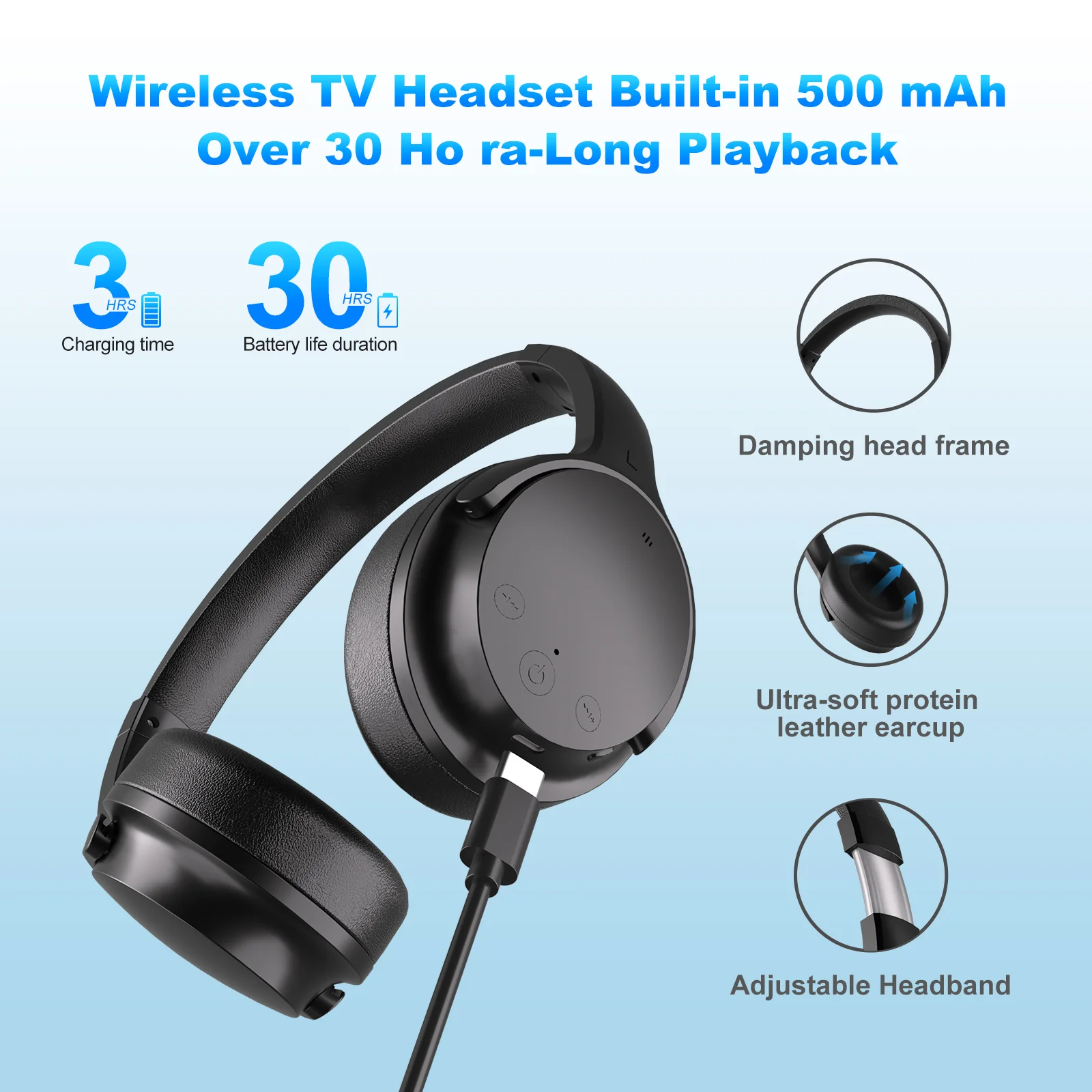
The headband is engineered with controlled elasticity ranges, ensuring it provides consistent clamping force after repeated flex cycles instead of gradually tightening or loosening. -
Joint and adjustment mechanism tolerance design
Sliding rails and pivot points are manufactured with defined tolerances to prevent micro-loosening, which commonly causes fit instability and uneven pressure after extended use. -
Cushion material composition and recovery behavior
Cushion materials are selected based on compression recovery rates and thermal stability, allowing them to maintain shape and comfort rather than flattening permanently over time. -
Microphone positioning and mount stability
Microphone arms and mounts are reinforced to maintain fixed acoustic positioning, reducing voice pickup variation caused by gradual structural drift.
A capable commercial headphone supplier integrates these optimizations into standardized production rather than treating them as optional upgrades.
Commercial Office Headphones vs Standard Models: Practical Comparison
| Engineering Aspect | Standard Office Headphones | Commercial-Optimized Office Headphones |
|---|---|---|
| Headband Elasticity After 6 Months | Noticeable tension change | Elastic range largely preserved |
| Joint & Slider Loosening | Common after repeated adjustments | Minimal due to tolerance control |
| Cushion Compression Recovery | 60–70% after long wear | 85–90% recovery maintained |
| Microphone Position Drift | Frequent repositioning needed | Stable acoustic alignment |
| User Fit Consistency Across Teams | Uneven | Largely consistent |
| Replacement Rate (12 months) | 25–30% | 10–15% |
These comparisons reflect mechanical and material behavior observed in extended office use, rather than short-term product testing.
Office Headphones in Real Workplace Scenarios: Use, Fit, and Selection Guidance
Office headphones are used in varied workplace situations, and each scenario places specific demands on design, structure, and long-term stability. Understanding these differences is essential when selecting models for daily professional use.
1. Open-plan offices with frequent on–off use
In open offices, users often put headphones on and off dozens of times a day while switching between calls and desk work. This repeated handling stresses sliders, pivots, and headband elasticity. Headphones with controlled adjustment tolerances and reinforced moving parts maintain fit consistency and avoid premature loosening in this environment.
2. Meeting-heavy roles requiring extended continuous wear
Employees attending long virtual meetings may wear headphones for several hours without interruption. In these cases, pressure distribution and cushion recovery become critical. Designs that balance clamping force and use fatigue-resistant cushion materials help prevent pressure buildup and discomfort over extended sessions.
3. Shared workstations and rotating teams
In hot-desking or shift-based workplaces, multiple users rely on the same headphone model. Inconsistent fit or rapid cushion deformation quickly leads to dissatisfaction. Office headphones with stable headband geometry and materials that recover shape after use provide a more uniform experience across different users.
4. Hybrid work environments combining calls and focused tasks
Hybrid roles require headphones that remain comfortable during voice communication while also supporting long periods of non-call use. Structural balance and weight distribution matter more here than aggressive acoustic tuning. Products designed for neutral, stable wear adapt better to mixed-use patterns throughout the day.
5. IT-managed deployments across departments
When office headphones are deployed at scale, consistency becomes more important than individual preference. Models with fixed core structures and predictable long-term behavior simplify training, support, and replacement planning, reducing variability across teams and locations.
Selecting office headphones based on these real scenarios—rather than short trial impressions—helps organizations match products to actual usage conditions and avoid downstream issues.
Long-Term Commercial Impact of Engineering-Driven Office Headphone Design
For ToB buyers, the impact of office headphone design is felt across the entire deployment lifecycle. Over a 24–36 month period, engineering decisions directly influence procurement efficiency, operational stability, and total cost control.
Inconsistent structural design often leads to higher indirect costs. Flattened cushions, loosened adjustment mechanisms, and unstable microphone positioning increase replacement requests and user complaints. These issues consume time for IT and procurement teams, disrupt inventory planning, and complicate budget forecasting—especially when deployments span multiple departments or locations.
Engineering-driven design mitigates these risks by addressing failure points at the source. At Skyringe, office headphone development emphasizes controlled headband elasticity, defined mechanical tolerances at stress points, and material selection based on long-term recovery behavior rather than initial softness. Microphone mounts and structural joints are reinforced to maintain functional stability after repeated daily use.
From a commercial perspective, these design and manufacturing choices translate into tangible benefits. Replacement cycles become more predictable, support requests decrease, and approved models remain viable across repeat orders. Procurement teams gain clearer visibility into long-term costs, while managers benefit from more consistent user acceptance and fewer disruptions.
For organizations scaling office headphone deployment, such stability supports long-term planning rather than reactive replacement. Over the full lifecycle, the upfront engineering discipline behind office headphone design becomes a key contributor to reduced operational risk, improved cost control, and smoother large-scale implementation.
Working with Skyringe as a Commercial Headphone Supplier
Skyringe develops office headphones with a manufacturing-first approach, emphasizing structural integrity, material stability, and acoustic consistency for daily professional use. Our product designs focus on how components behave over time, not just how they perform during initial evaluation.
To explore our office headphone models and related product categories, visit our Products page:
👉 https://szty-b.pinshop.com/products
To learn more about our manufacturing philosophy, development process, and OEM cooperation framework, visit our About Us page:
👉 https://szty-b.pinshop.com/about-us
Common Buyer Questions
Q: Why do some office headphones feel comfortable initially but fail later?
A: Initial comfort does not account for material fatigue, joint loosening, and elastic drift that occur after extended daily use.
Q: How can buyers judge whether an office headphone is engineered for long-term use?
A: By evaluating structural design, material recovery behavior, and microphone stability rather than short-term comfort tests.
Q: What role does the supplier play in maintaining long-term consistency?
A: A professional supplier controls design tolerances, material selection, and production standards to ensure repeatable performance.