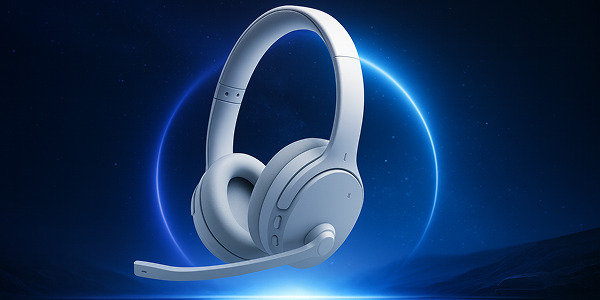
Launching a children's headphone product is often easier than sustaining it. Many brands receive positive feedback from initial samples, only to encounter problems once products reach classrooms, homes, and retail channels.
Common issues quickly appear:
- Headbands cracking after repeated adjustment
- Ear cushions flattening after several months
- Excessive clamping force causing discomfort
- Parents complaining about volume levels
- Product returns caused by durability concerns
The challenge is not simply designing a smaller headphone. Children's products experience different usage patterns, different safety requirements, and significantly higher handling frequency.
According to the World Health Organization (WHO), protecting children's hearing requires attention to both listening levels and long-term listening behavior. Educational technology specialists also emphasize that comfort and usability directly influence product acceptance in schools and learning environments.
At Skyringe, our kids headphone OEM programs focus on real-world usage conditions, helping brands develop products that perform consistently beyond the sample stage.
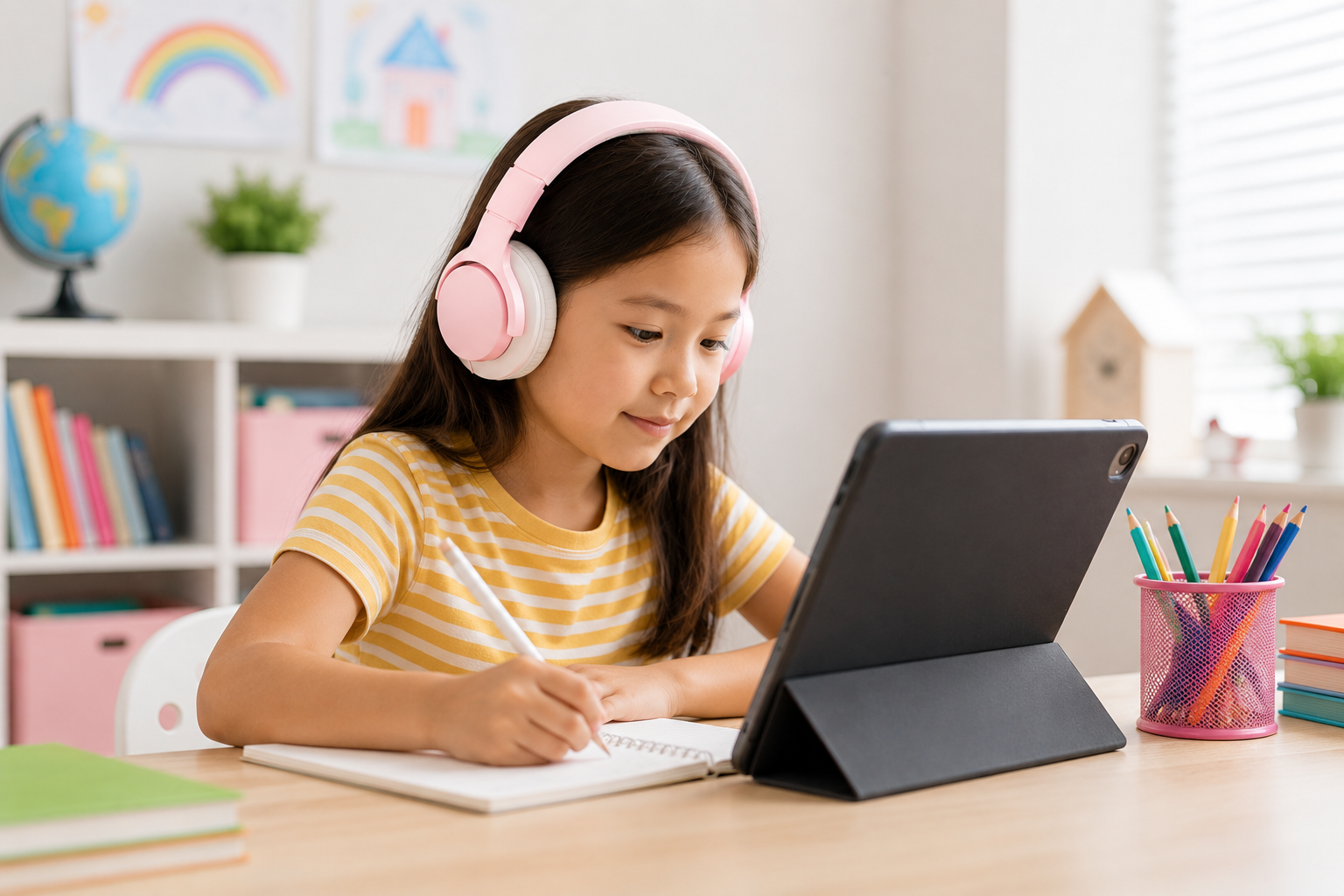
Why Children's Audio Products Require Specialized OEM Development
Many consumer headphone platforms are designed for adults and later modified for children. While this approach reduces development time, it often creates compromises in comfort, durability, and safety.
A professional kids headphone OEM process starts with children's actual use cases.
Key development priorities include:
Child-Specific Ergonomics
Head size, ear shape, and wearing behavior differ significantly from adults.
Listening Safety
Products should support healthy listening habits without sacrificing speech clarity.
Durability Under Daily Handling
Children naturally apply more physical stress through bending, twisting, and frequent adjustment.
Classroom Compatibility
Educational environments require consistent performance across large deployments.
Successful children's products are engineered around children's behavior—not adapted from adult products.
How Kids Headphone OEM Improves Product Performance
The best OEM programs address product performance at every stage of development.
A structured kids headphone OEM project typically includes:
Acoustic Optimization
Speech-focused tuning improves clarity during learning activities while reducing the need for excessive volume.
Structural Reinforcement
Critical stress areas such as headbands, hinges, and cable connections are strengthened for repeated use.
Comfort Validation
Pressure distribution and cushion materials are optimized for extended wear.
Manufacturing Consistency
Every production batch should match approved product specifications.
Together, these elements create products that perform reliably in educational and retail environments.
Generic Product Development vs Kids Headphone OEM
| Development Factor | Generic Development | Kids Headphone OEM | Improvement |
|---|---|---|---|
| Product Lifespan | 1–2 Years | 2–4 Years | +50–100% |
| Comfort During 2+ Hours Use | Moderate | High | +35–45% |
| Structural Durability | Standard | Reinforced | +40–60% |
| Listening Safety Controls | Basic | Optimized | Higher Protection |
| Manufacturing Consistency | Variable | Stable | +20–30% |
| Return Rate | 15–25% | 8–12% | -30–50% |
| Parent Satisfaction | Moderate | High | +25–40% |
The biggest advantage of kids headphone OEM is not cost reduction—it is creating a product that remains successful throughout its entire lifecycle.
Kids Headphone OEM Across Real Market Applications
Different markets require different product strengths.
1. Educational Technology Programs
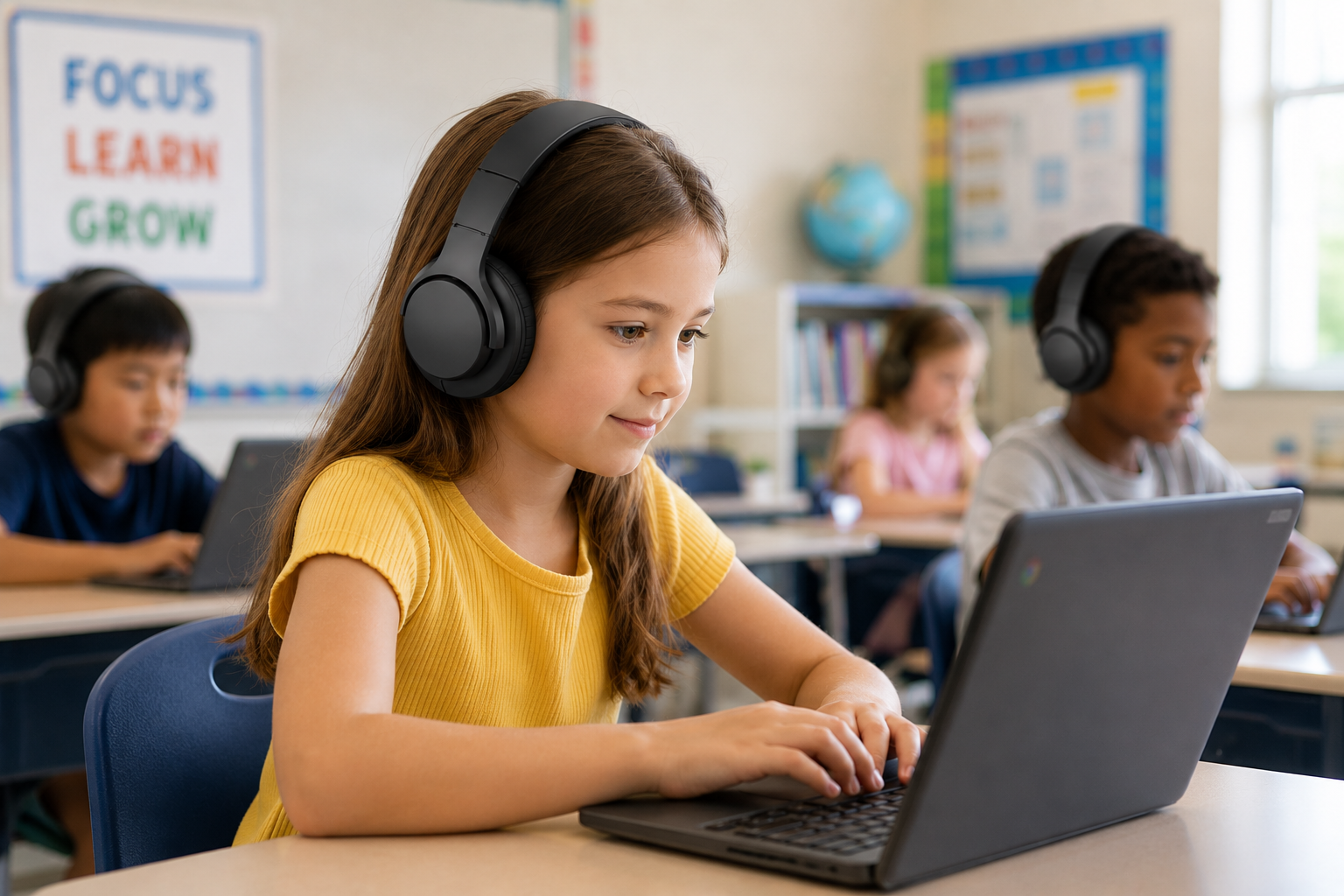
Schools require durable products capable of daily classroom use while maintaining comfort and speech clarity.
2. Online Learning Platforms
Students often wear headphones for extended periods during virtual lessons.
3. Children's Consumer Electronics Brands
Retail products must balance safety, appearance, comfort, and durability.
4. Language Learning Programs
Clear voice reproduction improves comprehension and pronunciation development.
5. Travel and Entertainment Products
Families need reliable headphones that remain comfortable during extended journeys.
These applications demonstrate why kids headphone OEM projects require a deeper understanding of children's listening behavior.
What Brands Should Evaluate Before Selecting a Kids Headphone OEM Partner
Choosing the right manufacturing partner affects both product quality and long-term business performance.
Important evaluation areas include:
- Child-focused product development experience
- Volume-limiting expertise
- Structural durability testing
- Educational product experience
- OEM customization capabilities
- Manufacturing consistency
- Supply chain stability
- Quality control systems
The most successful OEM partnerships focus on long-term reliability rather than simply achieving the lowest production cost.
Real Case: Reducing Product Returns Through OEM Optimization
A private-label educational audio brand experienced increasing return rates due to comfort complaints and structural failures.
Through a revised OEM development program that included:
- Reinforced headband architecture
- Improved cushion materials
- Speech-focused acoustic tuning
- Enhanced durability testing
Results included:
- Product returns reduced by over 35%
- Customer satisfaction increased significantly
- School procurement renewal rates improved
- Product lifespan extended across multiple educational deployments
The improvement came from optimizing the complete product system rather than changing a single component.
Common Buyer Questions
Q1: What makes kids headphone OEM different from standard headphone OEM?
Kids headphone OEM focuses specifically on child ergonomics, listening safety, durability, and educational use cases.
Q2: How important is volume limiting in children's headphones?
Very important, but it should work alongside proper fit, comfort, and speech-focused tuning.
Q3: What is the most common reason children's headphones are returned?
Comfort issues, structural durability problems, and poor long-term usability are among the most common causes.
Long-Term Value of a Professional Kids Headphone OEM Partnership
For educational suppliers, retailers, distributors, and private-label brands, a strong kids headphone OEM partner delivers benefits beyond manufacturing.
These include:
- Lower return rates
- Improved product reputation
- Better parent and educator feedback
- More stable supply chains
- Consistent production quality
- Faster product development cycles
At Skyringe, we combine ergonomic design, child-focused acoustic engineering, durability testing, and scalable manufacturing to help brands build products that succeed in real-world educational and consumer environments.
Explore our product solutions here:
https://szty-b.pinshop.com/products
Learn more about our manufacturing capabilities here:
https://szty-b.pinshop.com/about-us
For additional product support and educational headphone guidance, visit:
https://szty-b.pinshop.com/faqs